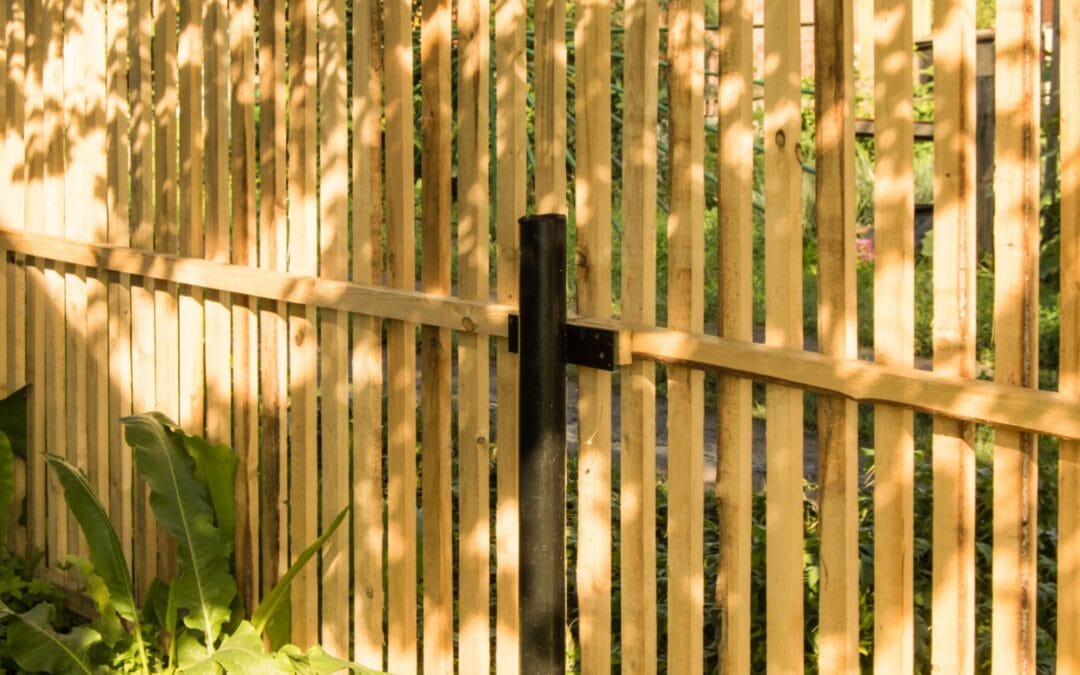
When your fence starts leaning, develops loose boards, or shows signs of wear, it’s easy to assume replacement is your only option. However, an experienced fence company in Georgetown, TX, will often take a closer look before making that recommendation. In many cases, a well-planned repair can restore the fence’s appearance, improve its stability, and add years to its lifespan without the expense of installing an entirely new one. At Hicks Fencing, every project begins with evaluating what will provide the best long-term value rather than automatically suggesting the largest project.
Understanding why repairs are sometimes the better choice can help you make more informed decisions when your fence begins showing its age. The condition of the materials, the extent of the damage, and the remaining life of the fence all play an important role in determining the right path forward.
Every Fence Deserves a Careful Evaluation First
A damaged fence doesn’t always tell the whole story at first glance. One broken picket or a leaning section can make the entire fence appear to be failing, even when most of the structure remains in good condition.
That’s why many professionals begin with a thorough inspection instead of immediately discussing replacement. They look beyond the obvious damage to understand how the fence is performing as a whole.
This approach often reveals whether repairs can safely restore the fence or if the underlying structure has reached the end of its useful life.
Taking the time to evaluate the entire fence also helps avoid replacing materials that are still performing well, allowing you to invest your budget where it matters most.
The Overall Condition Matters More Than One Problem Area
One damaged section rarely tells the story of an entire fence. A few loose boards after a storm, for example, don’t necessarily mean every post, rail, and panel has deteriorated.
Instead, experienced contractors evaluate how the different parts of the fence work together. They consider whether the damage is isolated or whether it reflects a larger pattern of wear throughout the installation.
Some of the first things they evaluate include:
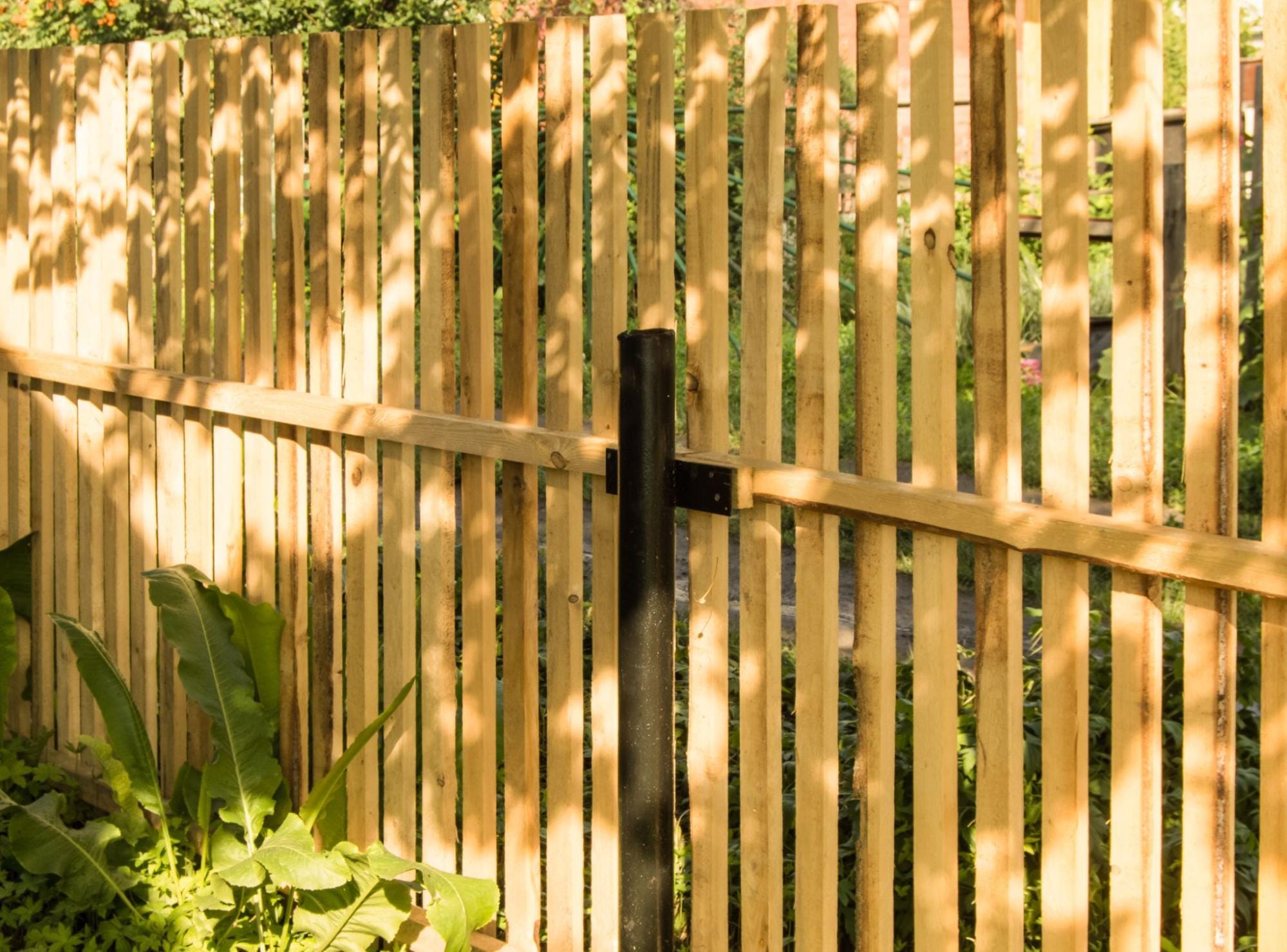
- The condition of the fence posts.
- Whether rails remain securely attached.
- Signs of rot, rust, or insect damage.
- How much of the fence has been affected?
- Whether gates continue to operate properly.
- The overall stability of the structure.
If most of these components remain in good shape, repairs may provide an excellent solution.
Fence Posts Often Determine the Right Recommendation
While pickets receive most of the attention because they’re highly visible, fence posts usually carry the greatest weight in the decision-making process.
Posts serve as the foundation of the entire fence. When they remain solid, many surface-level problems become much easier to correct. On the other hand, widespread post-failure often signals that replacement deserves stronger consideration.
For example, replacing several damaged boards is generally straightforward when the supporting framework remains stable. If multiple posts are rotting below ground or shifting because of soil movement, repairs become much less practical.
This is one reason fence repair projects in Georgetown, TX, often begin by inspecting what lies beneath the visible portion of the fence rather than focusing only on cosmetic issues.
Different Fence Materials Age in Different Ways
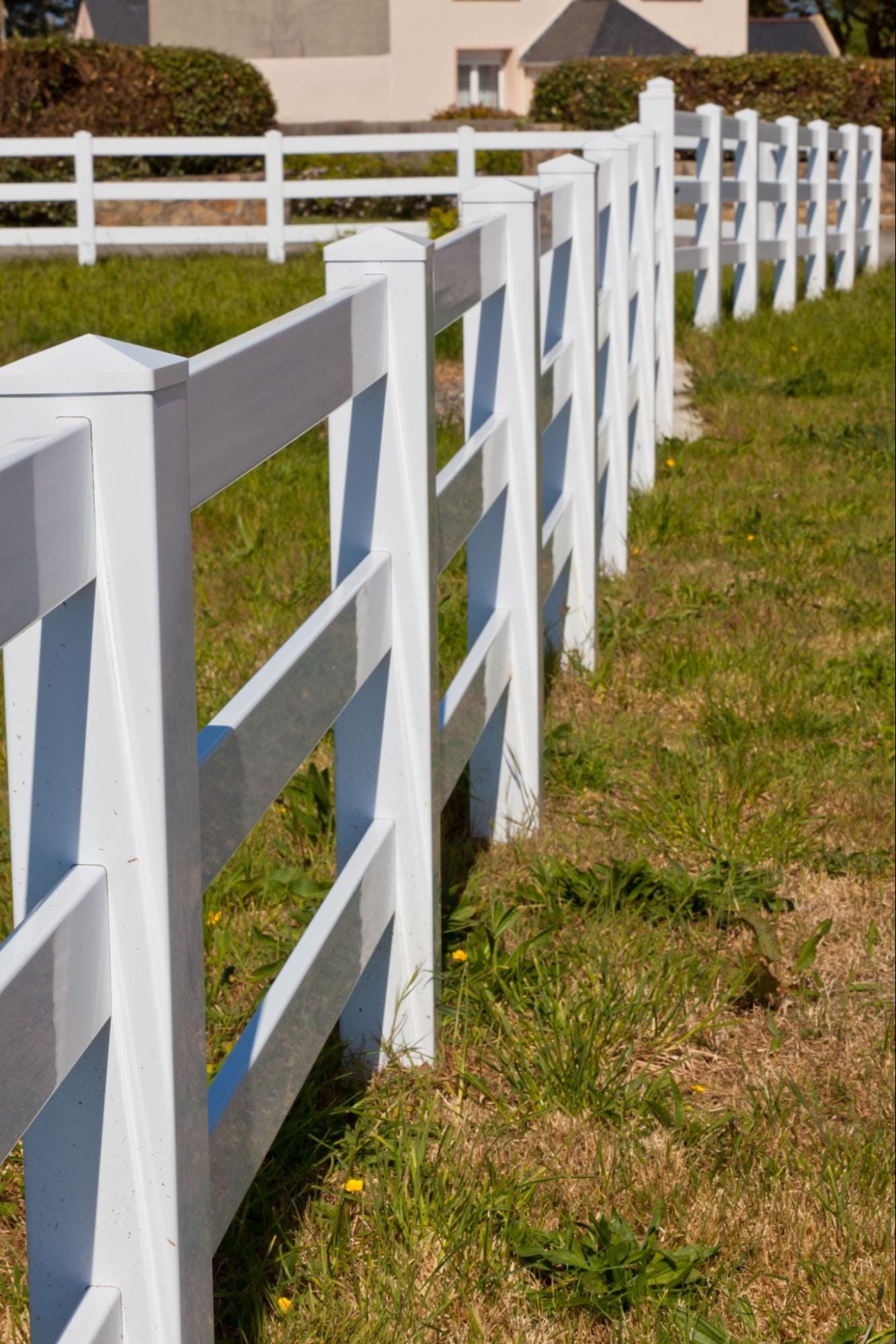 Every fencing material responds differently to weather, moisture, sunlight, and daily use. Understanding how those materials naturally age helps determine whether repairs are likely to provide lasting results.
Wood fences may experience isolated rot, split boards, or loose fasteners while much of the remaining structure stays strong. Steel fencing can develop surface rust that is easily addressed before it spreads further. Even decorative fences sometimes require only small repairs after years of normal exposure to the elements.
Because of these differences, no single recommendation applies to every fence. A contractor performing Georgetown fence repair should evaluate how the specific material has weathered over time before recommending the next step.
Repairs Often Make Sense When Damage Is Localized
One of the strongest reasons to repair a fence is that the damage affects only a limited portion of the installation. Storms may knock down one section after a fallen branch, lawn equipment might damage a few pickets, or years of moisture could affect one area that drains poorly while the remainder of the fence continues performing well. In situations like these, replacing the entire fence may not provide additional value.
Localized repairs commonly involve replacing damaged components while preserving the sections that remain structurally sound. This approach can restore both function and appearance without unnecessarily removing large portions of the existing fence.
Age Is Important, but It Isn’t Everything
People often assume that an older fence automatically needs to be replaced. While age certainly influences the conversation, it should never be the only factor guiding the decision.
A well-maintained fence may continue performing reliably long after another fence of the same age has begun failing. Regular maintenance, quality materials, proper installation, and local weather conditions all influence how quickly fencing deteriorates.
Rather than focusing solely on the installation date, an experienced fence contractor in Georgetown, TX, will evaluate how well the fence has held up over time and whether repairs are likely to provide meaningful additional years of service.
Honest Recommendations Help You Plan for the Future
One advantage of working with experienced professionals is receiving recommendations based on the fence’s actual condition instead of assumptions.
Sometimes the best answer is repairing today’s damage while recognizing that replacement may become appropriate several years from now. In other cases, replacing one section can postpone a larger project while allowing you additional time to budget for future improvements.
Understanding these options gives you greater flexibility and helps ensure your decision reflects both your current needs and your long-term plans.
Find the Right Solution for Your Fence
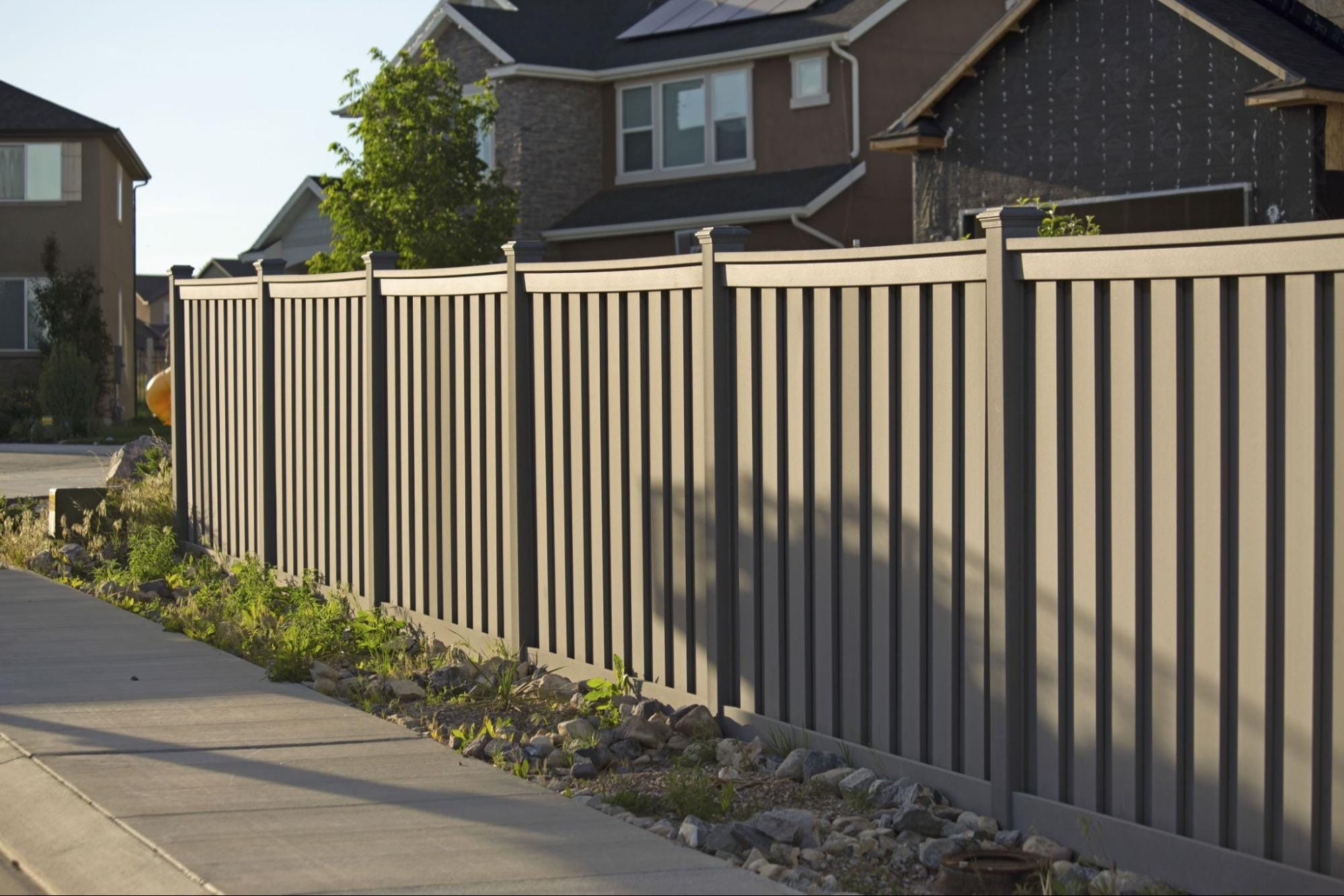 If your fence has started leaning, showing signs of wear, or has suffered storm damage, you don’t necessarily have to assume replacement is the only answer. A professional inspection can determine whether a targeted repair will restore strength and appearance or whether a new fence would provide greater long-term value.
Hicks Fencing provides honest evaluations, quality craftsmanship, and practical recommendations tailored to each project. Whether your fence needs a simple repair or a complete replacement, our team is here to help you make a confident, informed decision.
Frequently Asked Questions
Can a repaired fence still match the appearance of the existing fence?
In many cases, yes. While weathered wood naturally changes color over time, contractors can often replace damaged sections with similar materials and recommend stains or finishes that help create a more consistent appearance. The final result depends on the fence’s age, material, and overall condition.
Should I have my fence inspected after severe weather even if it still looks fine?
That’s often a good idea. Strong winds, heavy rain, or fallen debris can loosen posts, weaken connections, or create damage that isn’t immediately visible. An inspection can identify developing problems before they become larger repairs later.
How often should a fence be inspected for maintenance?
A visual inspection once or twice a year is a good habit for most fences. Looking for loose hardware, damaged boards, early signs of rot or rust, and shifting posts allows smaller issues to be addressed before they lead to more extensive repairs.
Keep Learning Before You Hire
Choosing the right contractor is just as important as deciding between repair and replacement. Next, read Questions Worth Asking Before Choosing a Fence Company in Georgetown, TX to learn which questions can help you compare contractors, understand estimates, and move forward with confidence.