

Choosing a fence does not always require choosing one material for the entire property. A fence company in Georgetown may recommend cedar along one boundary, ornamental steel across another, and a different treatment around an entrance because each part of the property serves a different purpose. Privacy, views, terrain, gates, street visibility, and architecture can all change as the fence moves around the lot.
That flexibility is particularly useful on larger or irregular Georgetown properties. Hicks Fencing works with cedar and ornamental steel systems, making it possible to plan the fence according to what each section needs instead of forcing one material to solve every problem.
Start by Dividing the Property by Function
The easiest way to understand a mixed material fence is to stop thinking about the perimeter as one continuous feature. The front yard, backyard, driveway entrance, side yard, pool area, and boundary facing a neighbor may have completely different requirements.
A backyard facing another house might benefit from cedar boards that limit direct views. Along a greenbelt, however, the same solid construction could block scenery that contributed to the appeal of the lot in the first place. An ornamental steel section can define that boundary while maintaining visibility through the fence.
This is where a custom fence company in Georgetown, TX can evaluate individual sections instead of recommending a material solely because it works somewhere else on the property. The resulting design is still one fence system, but its materials respond to the job each portion needs to perform.
Cedar Can Provide Privacy Where It Actually Matters
Cedar makes sense in locations where visual separation is the priority. A board-on-board or another privacy-oriented configuration can screen a patio, backyard seating area, neighboring windows, pool equipment, or a side yard that sits close to the next house.
There is little reason, however, to create the same level of screening around every foot of a property if privacy is only needed in selected locations. Extending solid cedar into an area where the owner wants to preserve a landscape view can solve one problem while creating another.
That distinction gives mixed material fencing in Georgetown, TX a practical purpose beyond appearance. Cedar can handle the portions where screening matters, while a more open material takes over where visibility becomes more valuable.
Ornamental Steel Keeps Important Views Open
Ornamental steel serves almost the opposite visual purpose. Narrow pickets create a defined perimeter without producing the solid visual plane associated with a wood privacy fence, which can make it useful along front yards, landscaped areas, greenbelt edges, and portions of a property where the view should remain visible.
Fortress Building Products describes its residential VERSAI system as rackable so panels can follow changing grades. Fortress specifies that the system can adjust as much as 48 inches across an 8-foot panel, depending on the configuration.
That capability can influence material placement on a Georgetown lot with changing terrain. If one portion of the fence crosses a grade where an open steel design also fits the property’s visual goals, the material is doing two specific jobs rather than being chosen simply because metal looks attractive.
The Transition Between Materials Needs Its Own Design
Mixing materials works best when the change looks deliberate. Ending a cedar privacy section at an arbitrary location and immediately beginning black steel can make the fence appear as though two unrelated projects were joined together.
Natural transition points give the change context. A gate, masonry column, corner, driveway entrance, elevation change, or shift from the side yard to the front yard can visually separate the materials while making the reason for the transition easier to understand.
Stone columns are particularly useful when the design calls for a stronger architectural break. Instead of asking cedar and steel to meet directly, the masonry becomes a visual anchor between the two sections. It can repeat stone already present on the house or elsewhere on the property.
Mixed Materials Can Solve Front Yard and Backyard Needs Differently
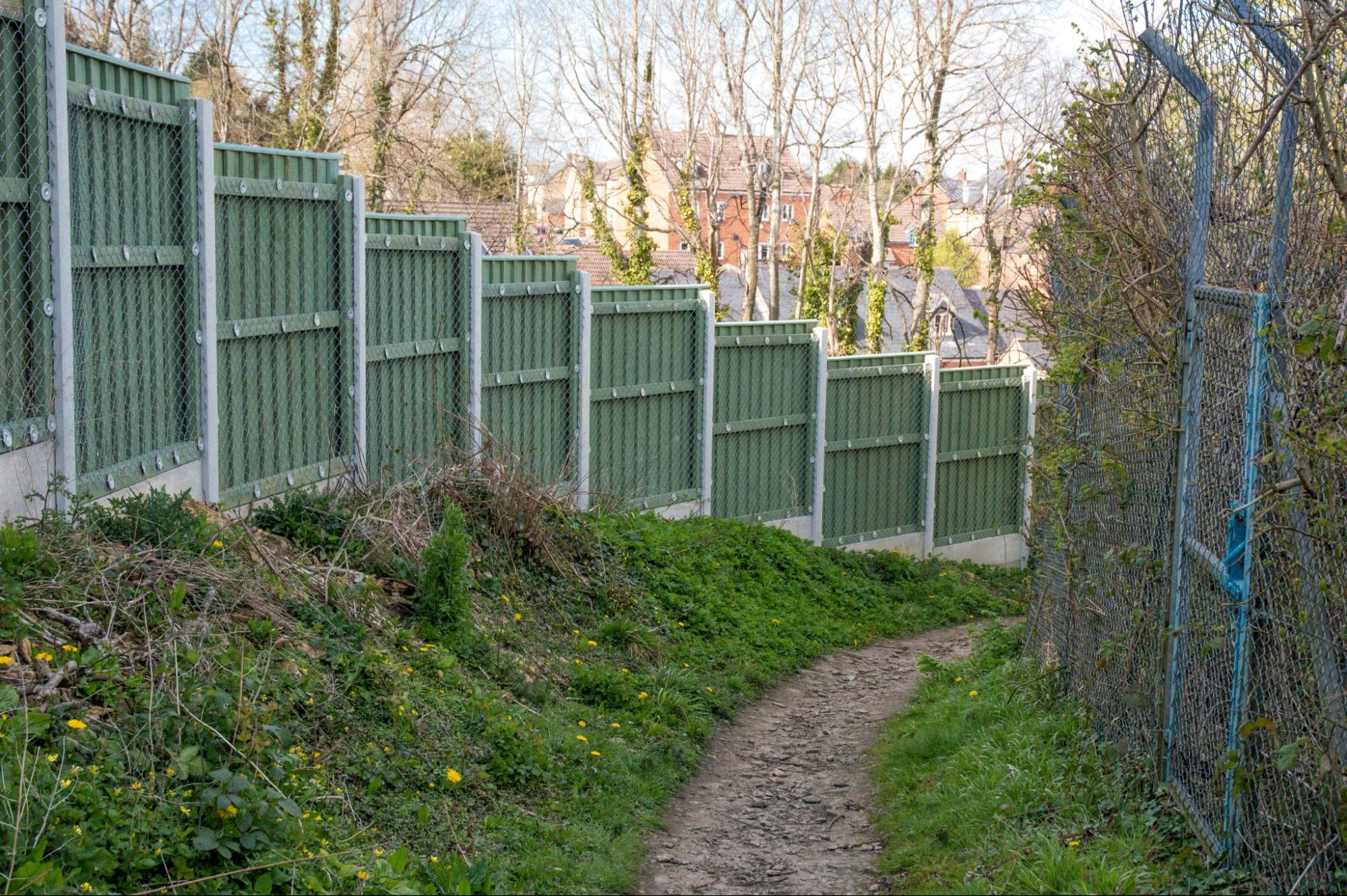
The backyard often carries the greatest demand for privacy, especially around patios and other outdoor living areas. The front of the property usually has a different relationship with the street, landscaping, driveway, and the house’s architecture.
Using cedar around a private backyard while transitioning to ornamental steel closer to the front can preserve that distinction. The backyard receives screening, while the more visible portions of the property retain an open appearance that allows landscaping and architectural features to remain visible.
A residential fence company in Georgetown, TX should therefore consider where the fence will be viewed from as carefully as where the boundary runs. A material that makes sense while sitting on the back patio may feel unnecessarily heavy when carried all the way toward the front elevation.
A Driveway Entrance Can Become the Visual Break
Driveway entrances create one of the clearest opportunities to transition between materials because they already interrupt the fence line. Rather than hiding the change, the entrance can become the feature that explains it.
For example, cedar fencing could approach an entrance from a private portion of the property, terminate at stone columns, and continue as ornamental steel on the more visible side. A black steel gate can then coordinate with the ornamental portion while the columns visually connect the different materials.
Fortress offers matching walk and drive gates within its VERSAI ornamental steel line, including several widths and configurations. Using components designed within the same system can make the steel portion of a mixed fence read as a complete architectural element rather than an isolated panel added beside a different material.
One Material May Fit the Terrain Better Than Another
Material changes do not need to occur solely for aesthetic reasons. The physical conditions along the fence line can make one system more practical in a particular location.
A Georgetown property might contain a relatively level backyard followed by a side boundary that descends toward a lower section of the lot. Fortress specifically designs its rackable VERSAI steel panels to follow substantial grade changes rather than requiring every panel to remain level.
Wood offers a different kind of flexibility because individual pickets can be arranged to respond to the grade. The choice between the two should therefore consider the desired appearance, privacy level, and terrain together rather than assuming the same material must continue simply because it was used on the previous section.
Wood and Metal Should Share a Visual Language
A wood and metal fence in Georgetown, TX can look cohesive even though the materials are dramatically different. The key is giving the eye repeated elements that connect one section to another.
Black gate hardware can echo black ornamental steel, while masonry columns can repeat stone from the house. Similar fence heights can also create continuity where appropriate, and carefully selected transition points keep the overall design from appearing fragmented.
Color matters as well. Cedar naturally changes appearance as it ages, while coated ornamental steel maintains a different visual character, so the initial design should account for how those materials will look together several years after installation rather than judging the combination only when everything is new.
Mixing Materials Should Have a Reason
A mixed fence becomes less effective when materials change simply to make the design look more elaborate. Every transition adds another visual element, so using three or four fence types without a clear purpose can make the property feel unnecessarily busy.
A useful test is to ask what changes at each transition. If the answer is privacy, terrain, visibility, access, architecture, or another identifiable property need, changing materials may be justified. If nothing changes except the fence material itself, maintaining the existing system may create a cleaner result.
This is one reason discussions with a fence contractor in Georgetown, TX should begin with how each part of the property functions. Material selection becomes much easier once the purpose of each fence section has been defined.
Discuss a Mixed Material Fence With Hicks Fencing
 If your property needs privacy in one location and an open fence somewhere else, choosing a single material for the entire perimeter may unnecessarily limit the design. Hicks Fencing installs cedar and ornamental steel fencing in Georgetown and can help determine where each material makes sense based on your property, terrain, entrances, and privacy goals.
Contact us today to schedule a free estimate and discuss the possibilities for your fence. A site visit can help identify useful transition points and determine whether a mixed material design fits the way you use your property.
Frequently Asked Questions
Can an existing wood fence be connected to a new steel section?
It may be possible, although the condition and location of the existing fence need to be evaluated first. A dedicated transition post or masonry feature may create a cleaner connection than attaching unlike systems directly together.
Does mixing fence materials automatically increase the project cost?
Not necessarily, because the final price depends on the amount of each material, gates, masonry, terrain, and installation requirements, using a more expensive material only where its characteristics are useful can produce a different cost than installing it around the entire perimeter.
Can two fence materials have different heights on the same property?
They can in some designs, but the transition needs to account for appearance and any applicable city or neighborhood restrictions. A column, gate, corner, or other defined break can make a height change look more intentional.
Next Up: Trees Change the Fence Plan
Continue with How a Fence Company in Georgetown Handles Fencing Around Trees Without Creating Future Problems to learn how trunks, roots, growth, and fence placement can influence the design before construction begins.