
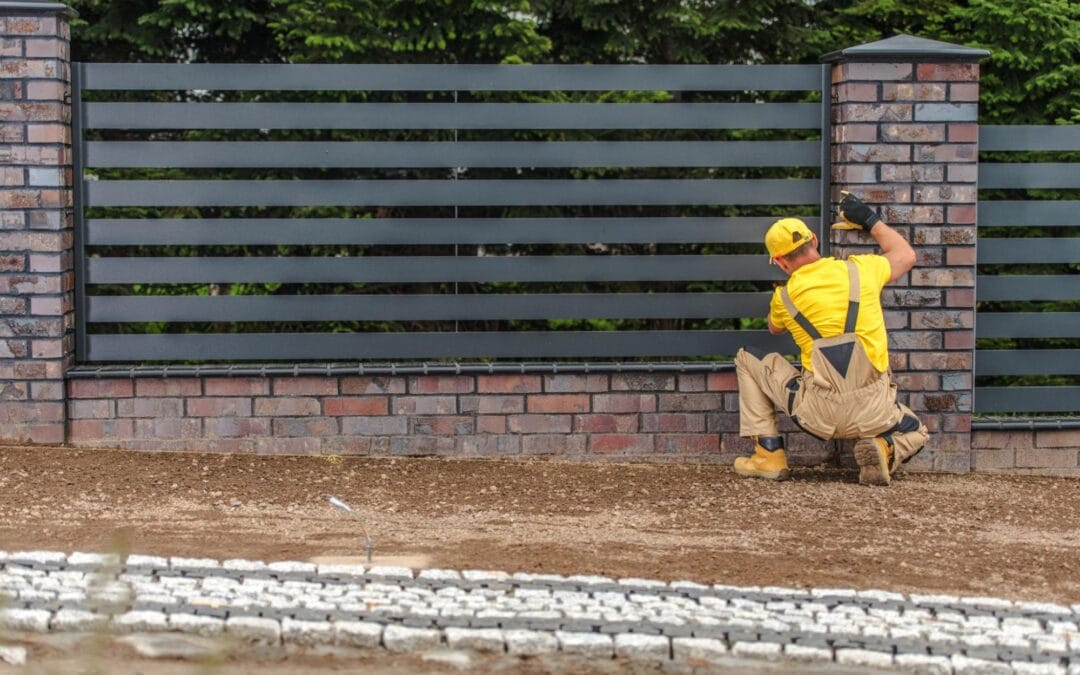
A backyard does not need to be level for a fence to look clean and function well, but grade changes do affect how the project should be planned. With fence installation in Georgetown, slopes can change post positioning, panel alignment, bottom clearance, gate locations, and even which fence style makes the most sense. Those decisions become particularly important on properties where a gentle grade transitions into exposed limestone or a noticeably steeper section.
Hicks Fencing takes these property conditions into account when planning a fence rather than assuming the same installation method will work from one end of a yard to the other.
Georgetown Soil Can Change What Happens Below the Fence
The visible slope is only half of the equation because the ground beneath it matters too. USDA’s official description of the Georgetown soil series identifies a surface layer of clay loam followed by clay, with limestone and chert fragments appearing deeper in the profile before reaching limestone bedrock.
That information has practical implications for a fence contractor working on sloped yards in Georgetown, TX. Two post locations only several feet apart may not offer identical digging conditions, particularly when a property transitions toward shallower rocky ground. An installer may encounter deeper soil at one location and limestone much sooner at another.
The surrounding region contains even shallower limestone conditions in some settings. USDA data for shallow Central Texas sites associated with the Georgetown Lake climate area describes hard limestone at roughly 8 to 20 inches below the surface, while steep rocky sites can have bedrock only 4 to 20 inches down. Those figures do not describe every Georgetown yard, but they demonstrate why actual site conditions matter more than assuming a uniform digging depth across the city.
Stepped and Contoured Fences Solve Different Problems
One of the biggest design decisions on a slope involves deciding how the fence will follow the grade. Two common approaches are stepping the fence or allowing its sections to follow the terrain more continuously, and the finished appearance is noticeably different.
A stepped fence keeps individual sections level while changing their elevation as the ground rises or falls. Viewed from a distance, the top creates a staircase pattern. This approach can work particularly well with fence systems containing rigid sections that cannot simply change angle to match the ground.
A fence that follows the contour of the grade creates a smoother line down the slope. Depending on the fencing system and material, the sections or individual components can follow the changing elevation rather than remaining level between every pair of posts.
Why the Choice Matters at Ground Level
The top of the fence gets plenty of attention, but the bottom edge often determines how useful the finished fence will be. Stepping sections down a noticeable slope can create triangular openings beneath the downhill side of each section if those spaces are not considered during the design.
Those openings matter when the fence is intended to contain a small dog, provide backyard privacy, or create a clearly enclosed space for children. A residential fence installation in Georgetown, TX should therefore account for both the appearance of the upper fence line and the size of openings created where fencing meets the ground.
Ornamental Steel and Wood Respond Differently to a Grade
Material choice becomes especially important once the property stops being level. A wood fence assembled from individual pickets gives an installer considerable control over the bottom and top lines because picket heights can respond to changes in grade without requiring every section to behave like a rigid panel.
Ornamental steel requires a different conversation because the capabilities of a particular fence system determine how much a panel can accommodate a slope. This makes it important to select the fence style with the actual terrain in mind rather than choosing a product on appearance alone and figuring out the slope afterward.
For a custom fence installation in Georgetown, TX, that distinction can also influence where one material transitions into another. A property could have conditions where one fence type works well across a flatter front section while another approach makes more sense as the fence enters a changing backyard grade.
Gates Need Their Own Level of Planning
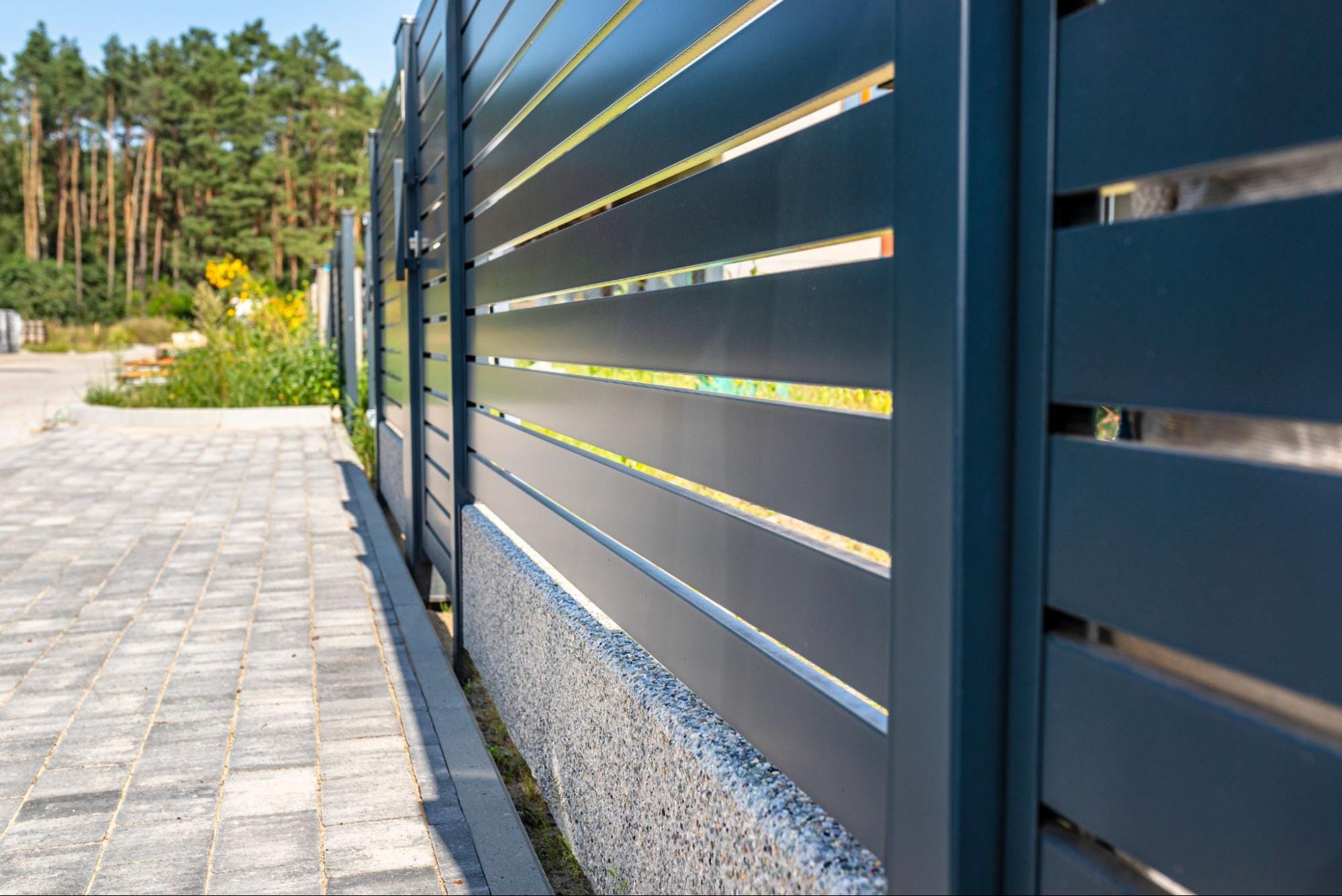
A gate introduces moving components into a fence, so placing one on changing terrain requires more thought than placing another stationary section. The gate needs enough clearance to swing without catching the ground, and the approach to it should remain practical for the people, pets, lawn equipment, or vehicles expected to pass through.
On a sloped property, moving the gate several feet along the fence line can sometimes place it on a more manageable section of terrain. That decision can produce a cleaner opening and easier daily use without requiring the entire fence layout to change.
Drive gates deserve even closer attention because their width magnifies changes in elevation across the opening. Planning the gate location during the earliest stages of fence installation in Georgetown allows the surrounding fence to be designed around the opening rather than trying to squeeze a gate into a difficult section after the layout has already been established.
Erosion Can Change the Ground After the Fence Is Built
Uneven yards are not necessarily static. Water moving downhill can gradually remove loose soil from particular locations, especially where runoff becomes concentrated after heavy rain.
That possibility matters because today’s ground clearance may look different several years from now if soil washes away beneath part of the fence. A small opening can become larger, and previously buried portions of a post footing may become more exposed if erosion continues around the installation.
Vegetation also influences how soil behaves on a slope. Texas A&M AgriLife notes that plant roots help stabilize soil and reduce erosion, so removing established vegetation unnecessarily along a fence line can change conditions that were helping hold the slope together.
Small Grade Changes Can Become Obvious Across a Long Fence
A difference of a few inches may seem insignificant when standing in the yard. Repeat that change across several fence sections, however, and it can noticeably affect the finished top line.
This is where measuring the grade before installation becomes valuable. Instead of reacting to each rise and dip as construction progresses, the installer can determine where transitions should occur and how quickly the fence should change elevation.
That planning is particularly useful on long side yards, where people can often see much of the fence from one viewing angle. A series of inconsistent adjustments becomes far more noticeable across a long run than it would on a short section hidden behind landscaping.
Slopes Can Change How a Fence Looks From the House
The street is not the only useful viewing point when planning a fence. On many properties, the fence will be seen far more frequently from a kitchen window, patio, deck, or primary backyard seating area.
A stepped design creates distinct horizontal sections, while a fence following the grade creates a more continuous descending line. Neither appearance is automatically preferable, so the choice should reflect the architecture of the house, the material being installed, and the character of the landscape.
Walking through those important viewing locations before finalizing the design gives you a better idea of what the completed fence will actually look like during everyday use. It can also reveal situations where a small change in the location of a transition produces a noticeably cleaner view.
Local Conditions Make a Site Visit More Valuable
Online measurements and property maps are useful starting points, but they cannot show every rock outcrop, depression, grade transition, tree root, or landscaping feature along a proposed fence line. Those details become especially important when planning a custom fence installation in Georgetown, TX on terrain that changes repeatedly.
Seeing the site also makes it easier to discuss which portions of the fence can follow one installation approach and where that approach may need to change. Rather than treating an entire sloped yard as a single problem, the project can be divided into sections based on the actual conditions present.
This kind of planning becomes particularly useful around Georgetown because shallow limestone and changing terrain can exist alongside relatively ordinary-looking lawns. What appears straightforward from a photograph may become considerably more detailed once the complete fence line is walked and evaluated.
Plan Your Fence Installation in Georgetown Around the Actual Terrain
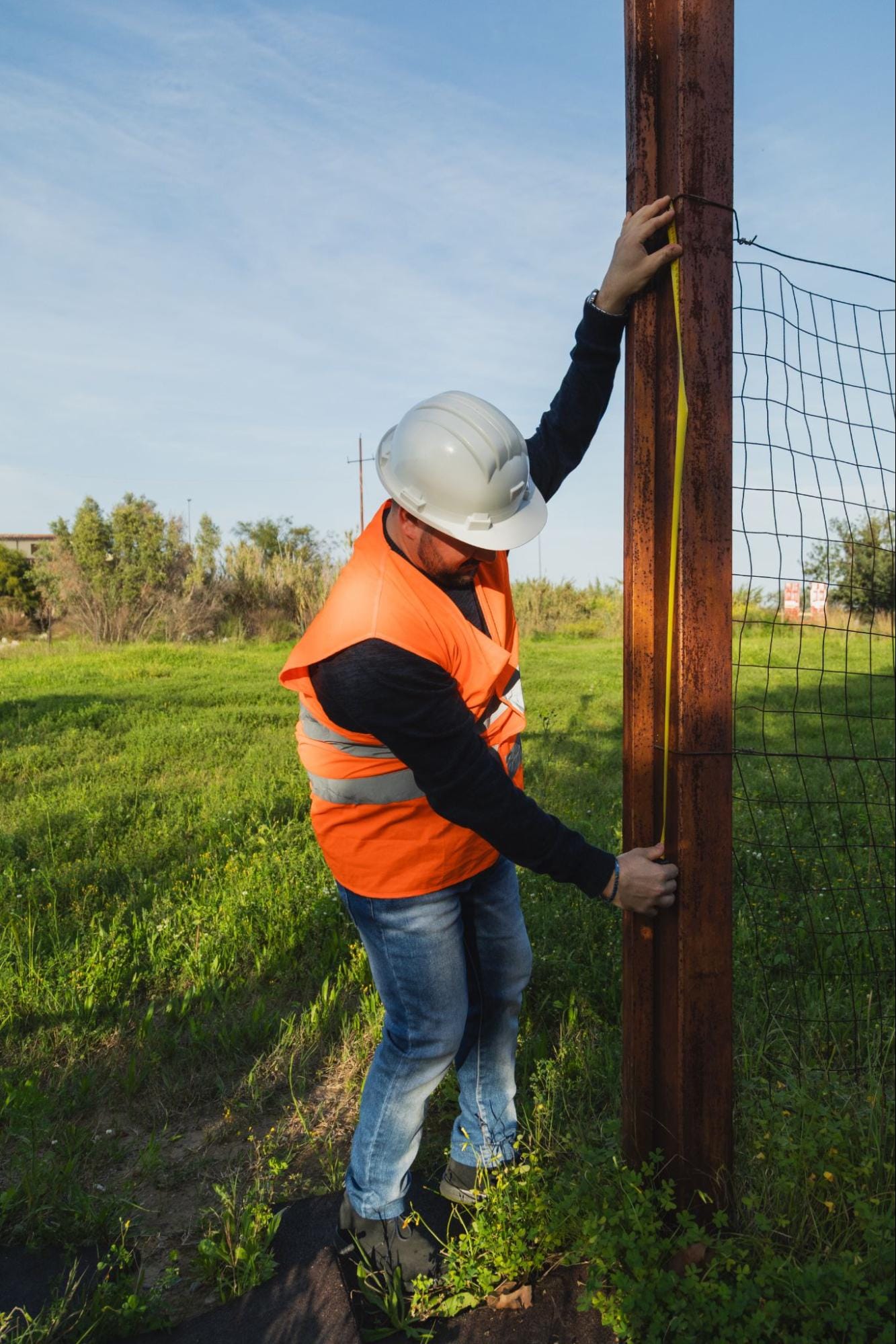
If your yard rises, falls, or crosses shallow limestone, the layout deserves more consideration than simply drawing a straight perimeter on a plan. Post locations, material selection, gate placement, bottom clearance, and transitions between elevations should reflect what is actually happening along the fence line.
Hicks Fencing works with Georgetown properties that include the terrain and limestone conditions common throughout Central Texas. If you are considering fence installation in Georgetown, the team can evaluate the proposed fence line and discuss how the grade affects the design before construction begins.
Frequently Asked Questions
Can a survey tell me how steep my yard is?
A boundary survey primarily establishes property information and should not automatically be expected to provide the detailed elevation data needed to design around a slope. Depending on the project, additional site measurements may be useful for understanding elevation changes along the proposed fence line before construction begins.
Does a sloped yard require more fencing material than a level yard?
It can, but the answer depends on the design and material. Stepped sections, customized picket lengths, unusual transitions, and additional posts can change material quantities compared with a simple level installation, so estimates should reflect the actual fence line rather than floor plan measurements alone.
Can an existing fence on a slope be replaced without changing its layout?
Sometimes, although copying the old layout is not automatically the best approach, changes in erosion, landscaping, access needs, or the previous fence’s performance may reveal opportunities to improve post locations, gate placement, ground clearance, or transitions when the replacement is planned.
Continue Exploring Georgetown Fence Planning
Read the next article, “Why Fence Installation in Georgetown Should Be Planned Around Drainage and Water Flow.” Visit the Hicks Fencing blog for more practical information about Georgetown fencing, materials, installation decisions, repairs, gates, masonry, and planning a fence around the way your property actually works.