
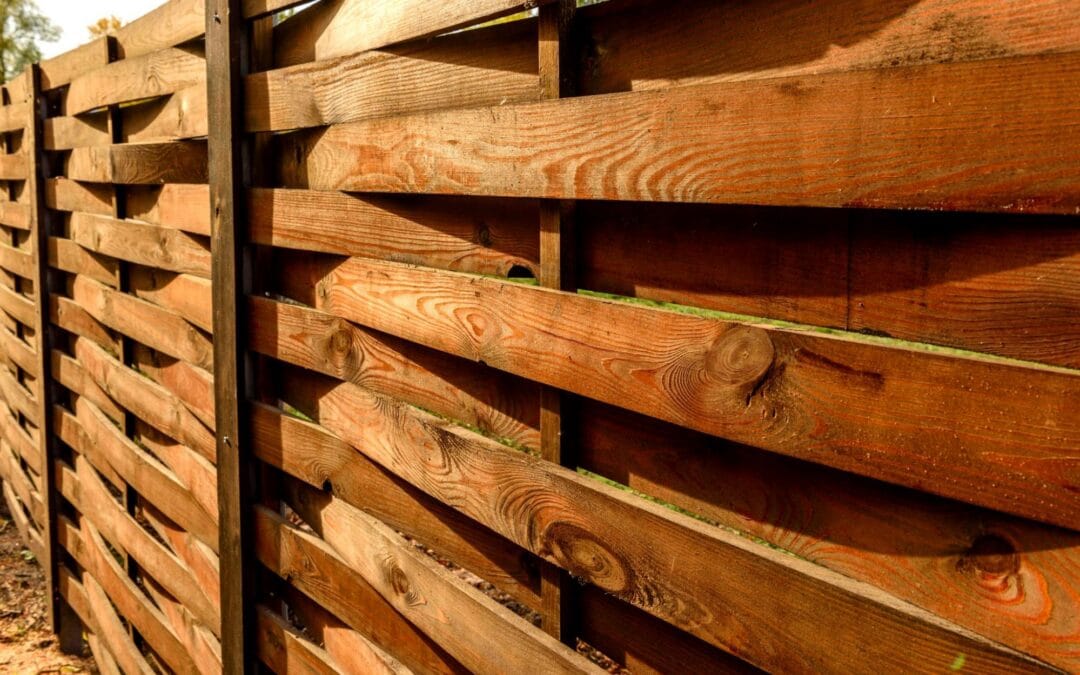
Planning fence installation in Georgetown for a dog does not automatically mean surrounding the backyard with the tallest solid barrier available. Dogs escape in different ways, and a fence that stops a jumper may do little for a determined digger, a small dog squeezing through gaps, or a curious dog that learns how to exploit a loose gate.
A better approach is to plan around the individual dog and how the family uses the yard. Hicks Fencing can account for those factors while helping customers choose between cedar, ornamental steel, chain link, and suitable gate configurations. The result can provide useful containment without making an otherwise open Georgetown yard feel unnecessarily closed in.
The Best Fence for Dogs Starts With Their Behavior
Breed and size provide useful information, but neither tells the whole story. Two dogs of similar size can behave completely differently outdoors, with one content to lie beneath a shade tree while the other patrols the property line looking for squirrels.
Before selecting a backyard fence for dogs, it helps to identify the behaviors the fence actually needs to manage:
- Jumping: Athletic dogs may clear barriers that would comfortably contain less active animals of the same size.
- Digging: Some dogs dig directly beneath a fence when they are interested in something outside the yard.
- Climbing: Horizontal components and nearby objects can provide footholds for dogs that can climb.
- Squeezing: Small dogs may fit through openings that seem insignificant when viewed from a person’s height.
- Gate rushing: A dog that waits near an entrance may create an escape opportunity whenever someone enters or leaves.
These behaviors require different solutions, which is why simply asking for a “dog fence” provides too little information. A useful design starts by identifying the most likely escape routes, then addressing those weaknesses without overbuilding every other part of the yard.
Fence Height Should Match the Dog Instead of a Generic Rule
No single fence height works for every dog. Height should account for the animal’s size, athletic ability, jumping history, and motivation to pursue things outside the property.
A small, calm dog that has never attempted to jump may not require the same barrier as a large dog that can easily clear outdoor furniture. Dogs with a strong interest in wildlife may also behave differently when a squirrel or rabbit appears on the opposite side of the fence.
Objects inside the yard also deserve attention. Benches, stacked firewood, storage containers, landscape boulders, and play equipment positioned beside a fence can effectively reduce its useful height by giving a climbing or jumping dog a higher starting point.
That means residential fence installation in Georgetown, TX should consider the space immediately inside the fence, not just the distance between the ground and the top rail. Moving a climbable object may sometimes accomplish more than making an entire fence visually imposing.
Cedar Can Create Privacy Without Closing Every Side of the Yard
A solid cedar fence offers more than privacy. It limits what a dog can see happening on the opposite side of the boundary.
That can matter for dogs that become excited by pedestrians, neighboring dogs, delivery activity, or wildlife. If visual stimulation repeatedly causes a dog to charge or patrol one boundary, screening that area can reduce visible triggers.
However, the entire property does not automatically need the same treatment. A backyard facing neighboring activity might benefit from cedar while another portion of the property could remain visually open if the dog behaves calmly there.
Planning fence installation in Georgetown this way keeps containment tied to actual behavior. Instead of surrounding the property with a solid wall simply because a dog lives there, the layout can use privacy where screening serves a clear purpose.
Ornamental Steel Works Best When Open Views Are an Advantage
Ornamental steel provides a defined physical boundary without eliminating views through the fence. That can make it appealing around front yards, landscaped areas, and properties where maintaining an open appearance matters.
An ornamental design may be worth considering when:
- The dog is too large to pass through the available picket spacing.
- The animal does not repeatedly charge the fence after seeing people or other dogs.
- Preserving landscape or greenbelt views is important.
- The property benefits visually from a lighter, more open boundary.
- Privacy is unnecessary along that particular section.
The goal is not to label ornamental steel as good or bad for dogs. It is to match an open fence with a dog whose size and behavior make openness an advantage rather than a source of constant stimulation.
Chain Link Can Make Sense for Active Dogs and Larger Areas
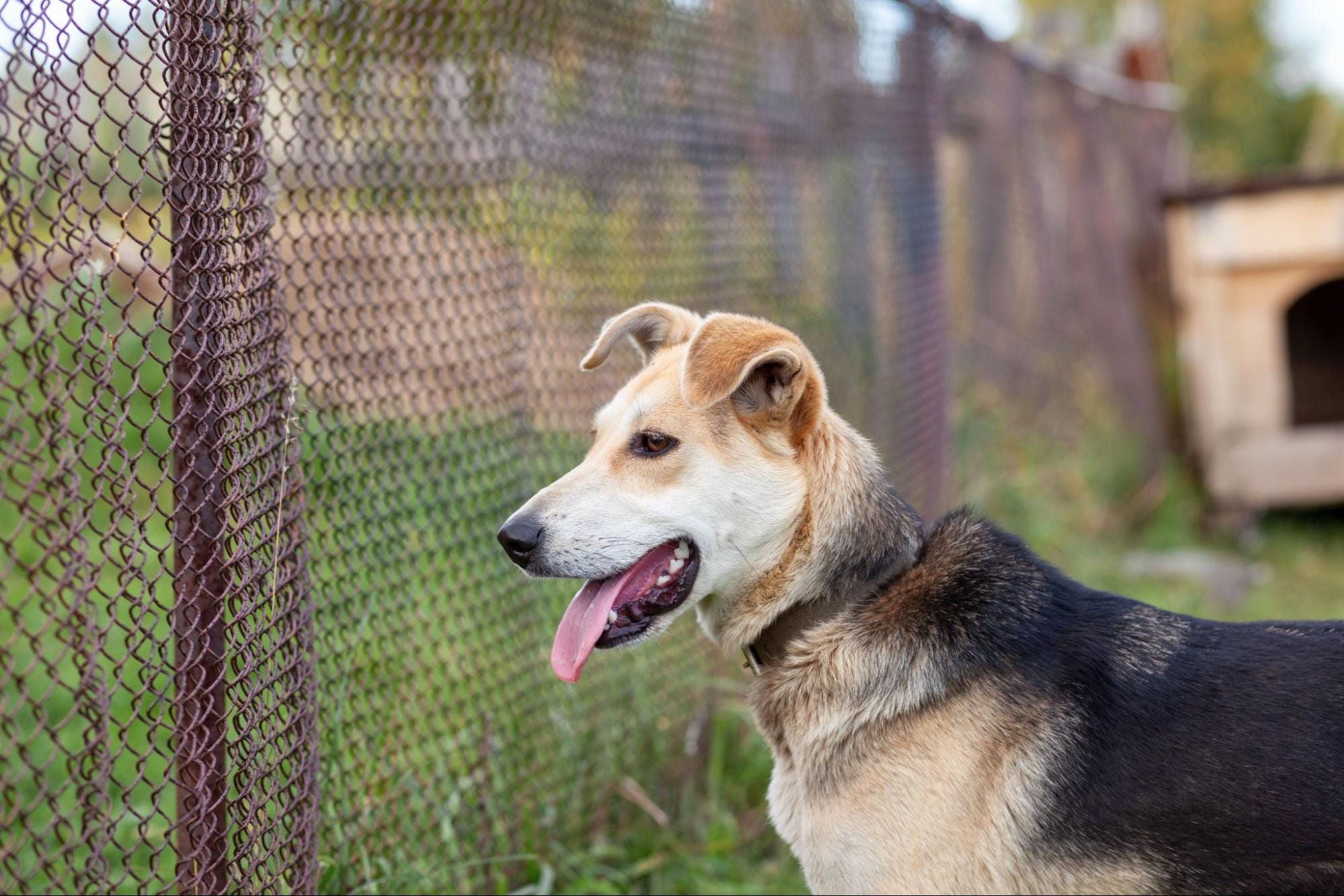 Chain link remains useful when containment and visibility matter more than creating a solid privacy screen. It can enclose substantial yard space while allowing owners to see through the perimeter and monitor what is happening on the other side.
Yet chain link requires its own behavioral assessment. The mesh provides potential footholds for capable climbers, while determined diggers may still target the bottom edge unless the installation accounts for that behavior.
Material condition matters too. Loose wire, damaged sections, or gaps near the bottom can become escape points, particularly for dogs that repeatedly test the same portion of the boundary.
For that reason, choosing the best fence for dogs is less about declaring one material universally superior and more about understanding how each design interacts with a particular animal.
The Gate Is Often the Most Important Part of a Dog Fence
A secure perimeter can still fail at the point people use every day. Gates move, contain hardware, and are intentionally opened, making them fundamentally different from stationary fence sections.
A dog-focused gate plan should consider several details:
- Latch position and operation: The latch needs to close reliably and should not be easily manipulated by an unusually curious dog.
- Bottom clearance: Excessive space beneath the gate can give a small dog or determined digger a starting point.
- Gate alignment: A gate that begins dragging or sagging may stop latching consistently.
- Opening direction and traffic: The way family members enter the yard affects opportunities for a dog waiting near the entrance.
- Nearby gaps: The spaces beside gate posts deserve the same attention as openings within the rest of the fence.
Self-closing hardware may also be useful in situations where people frequently pass through the entrance. It does not eliminate the need to verify that a gate has latched, but it can reduce the chance of someone casually leaving the opening unsecured.
A Dog-Friendly Yard Still Needs Views, Shade, and Usable Space
Containment should not make the backyard less enjoyable for the dog or the people living there. A fence can define the perimeter while leaving room for shade, play areas, patios, landscaping, and open sightlines where they make sense.
Georgetown summers make shade particularly valuable. Dogs may dig to reach cooler earth when they are uncomfortable in hot weather, so removing shaded portions of the yard or creating an exposed enclosure can work against the broader goal of creating a usable outdoor space.
A fence plan can instead preserve existing shade trees where practical and leave useful areas for movement. Water, shelter from extreme conditions, supervision, exercise, and interaction remain important, no matter how secure the physical perimeter becomes.
A fence provides containment, but it does not replace those needs. A taller barrier is unlikely to stop an escape attempt caused mainly by boredom or inadequate activity.
Plan Your Georgetown Fence Around Your Dog’s Real Habits
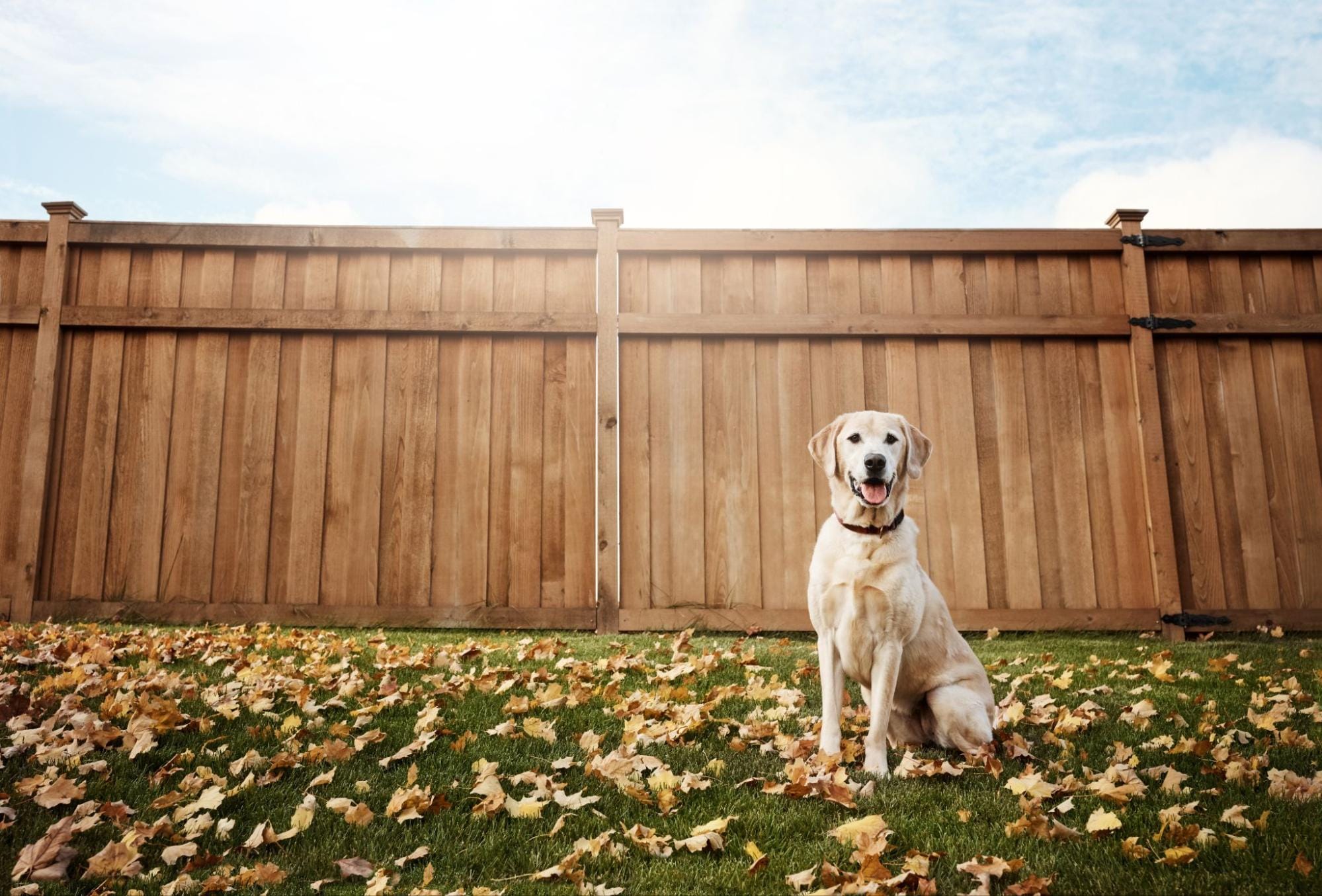
The strongest dog fence is not automatically the tallest or most solid option available. Height, bottom clearance, visibility, picket spacing, gates, climbing opportunities, and your dog’s escape habits should determine where additional containment measures are worthwhile.
Hicks Fencing can incorporate those considerations into fence installation in Georgetown while helping you compare cedar, ornamental steel, chain link, gates, and layouts for your property. Reach out today to request a free estimate and discuss with our fence contractors a fence that gives your dog a defined outdoor space without making your backyard feel unnecessarily closed off.
Frequently Asked Questions
Should I plan a fence around my puppy’s current size or expected adult size?
Consider both because the puppy needs safe containment immediately, while its adult height, strength, and athletic ability may change what the fence needs to handle later. Breed characteristics and veterinary estimates can help when the dog’s eventual size is uncertain.
Can multiple dogs change how a fenced yard should be planned?
Yes, because the fence needs to account for the most capable escape behavior among the dogs rather than designing around an average. Multiple dogs may also interact differently around gates or become more excited when running the boundary together.
Should I inspect a dog fence regularly after installation?
Yes, especially around gates, lower edges, hardware, and areas the dog repeatedly investigates. Finding a developing gap, loose component, or digging spot early can prevent it from becoming an established escape route.
From Smart Fence Planning to Long-Term Fence Care
Planning around a dog’s behavior can help create a fence that works better for the property, but every outdoor structure eventually needs monitoring for signs of deterioration. Read How Fence Repair in Georgetown Handles Rotted Posts Without Rebuilding the Entire Fence to learn what happens when an individual post begins to decay while the surrounding fence still has useful life.