
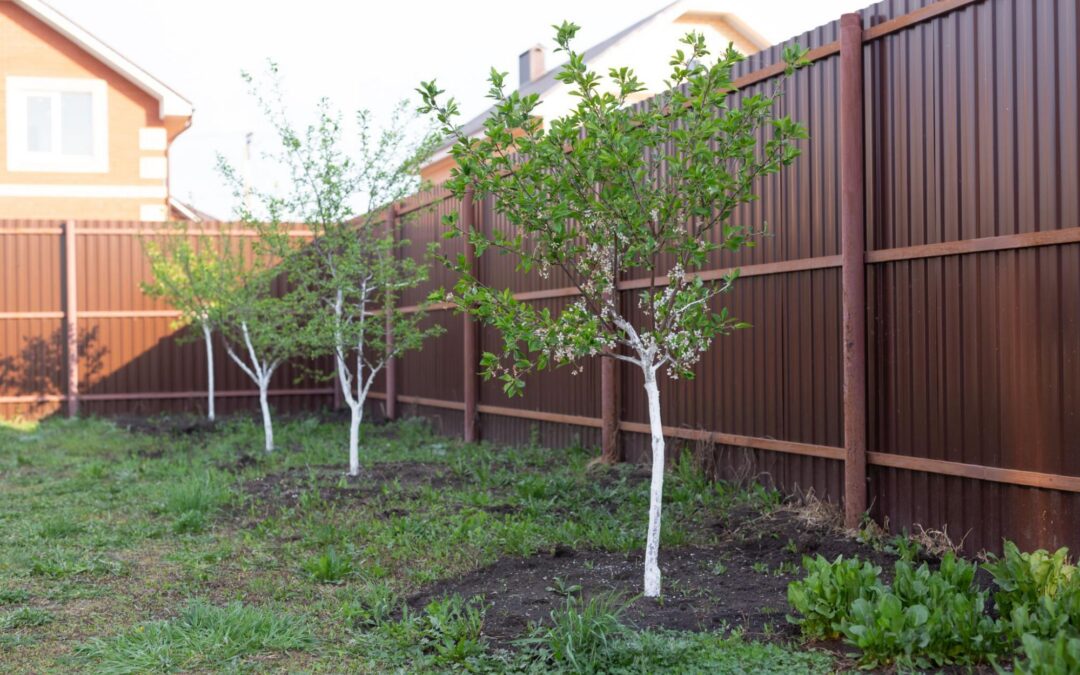
A mature tree can be one of the best features in a Georgetown yard, but it can also complicate a new fence. A fence company in Georgetown has to consider more than where the trunk stands today because roots extend into the surrounding soil, trunks continue growing, and construction activity itself can affect tree health.
At Hicks Fencing, planning around existing trees means looking at the entire fence route before deciding where individual posts belong. Small layout changes can sometimes preserve a valued tree while still creating a practical boundary, useful gates, and a fence line that makes sense for the property.
The Tree Trunk Is Only the Visible Part of the Problem
Drawing a fence line several inches away from a trunk does not necessarily mean the tree has been avoided. The root system extends into the surrounding yard, and those roots are responsible for absorbing water and nutrients while helping anchor the tree.
Root severance, soil compaction, and grade changes are three major causes of tree decline following construction. Establishing a Tree Protection Zone around trees being preserved and keeping trenching, digging, material storage, and other soil disturbances outside that protected area.
That information changes the conversation around fence installation around trees in Georgetown, TX. The question is not simply how closely a panel can pass beside the trunk, but where posts can be placed without creating unnecessary disturbance around an established tree.
Measuring the Trunk Can Help Define a Protection Area
During construction, place protective fencing approximately one foot away from the trunk for every inch of trunk diameter.
For example, that guideline would produce roughly a 20-foot radius for a tree with a 20-inch trunk diameter. That does not mean every residential fence must automatically remain exactly that distance away, since tree species, health, root location, project conditions, and arborist recommendations can change the situation. It does illustrate why leaving only a few inches between a mature trunk and a new post does not necessarily provide meaningful root protection.
Large trees therefore deserve attention during the earliest layout decisions. Moving a fence line, changing a post location, or creating a planned offset is much easier before holes have been dug.
Post Locations Matter More Than the Space Between Them
Fence construction creates concentrated soil disturbance at every post. When one proposed hole conflicts with a substantial root, simply cutting through that root to preserve perfectly uniform post spacing may create an avoidable problem.
A fence contractor in Georgetown, TX can instead evaluate whether the post can move while maintaining a workable fence section. Depending on the material and layout, adjusting the spacing, shifting a transition, or changing the route around the tree may keep excavation farther from sensitive roots.
This is an important distinction because fence panels and pickets occupy the visible space above ground, but posts determine where digging occurs. When trees are present, planning those individual excavation points can matter more than making every section identical in length.
Large Roots Should Not Be Treated Like Small Obstacles
Encountering a root while digging does not automatically mean it should be cut. Root size, distance from the trunk, tree species, tree condition, and the number of other roots being disturbed all influence the potential consequences.
Consider hand digging or alternative construction methods when excavation cannot be routed away from important root systems. Also consider involving an ISA Certified Arborist early when construction activity may affect a tree that is intended to remain.
That is where the limits of fencing work become important. A fencing crew can change a layout, but questions about whether a significant root can safely be removed belong with someone qualified to evaluate the tree.
Future Trunk Growth Needs Space Too
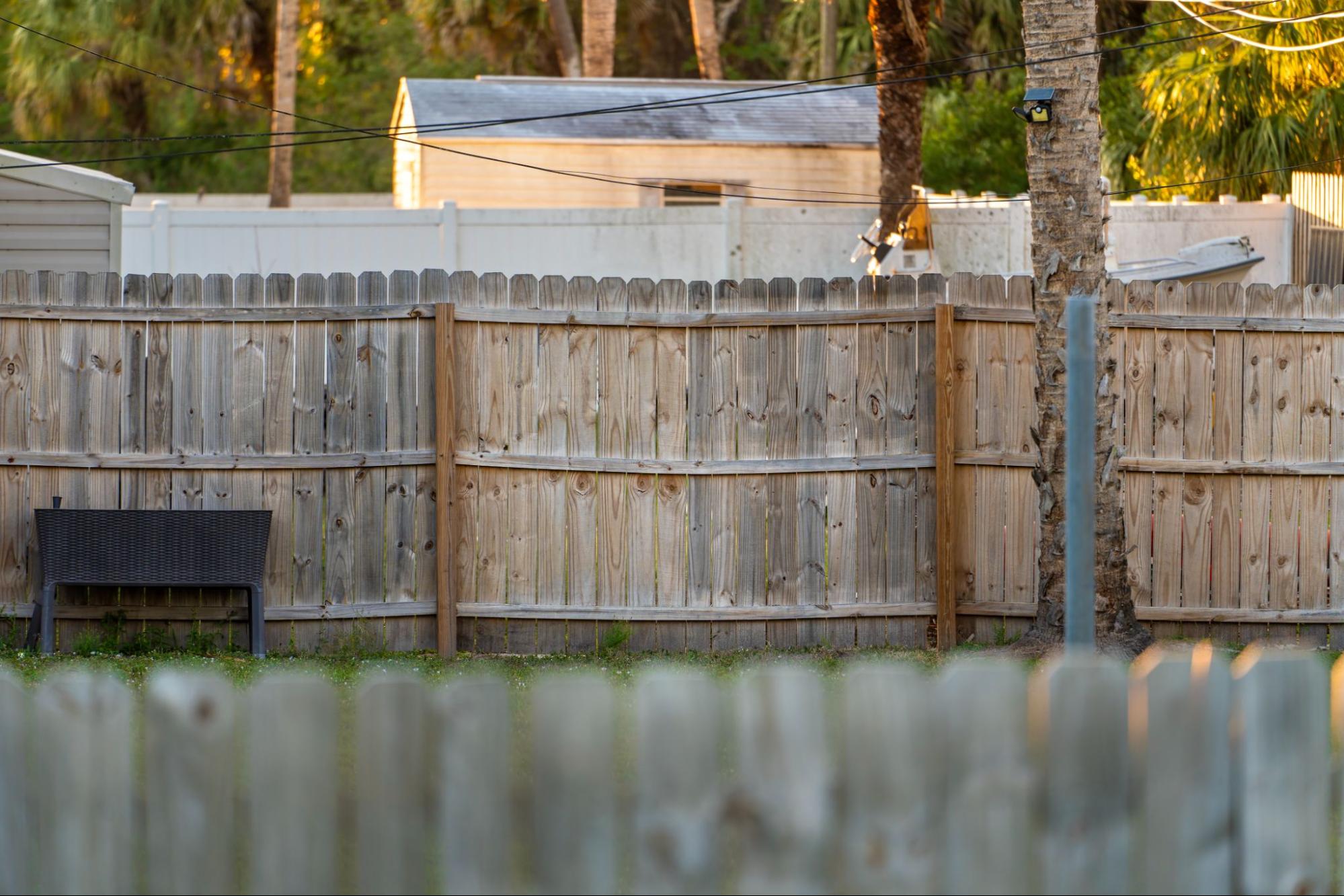 Trees are living components of the landscape, while a fence is comparatively fixed. Leaving just enough clearance for today’s trunk can create an avoidable conflict as the tree continues adding diameter.
Eventually, a trunk can press against pickets, rails, panels, or other fence components placed too closely around it. Contact can damage the fence, restrict the available space around the tree, and turn what looked like a tidy installation into an awkward repair project.
The better question is therefore not, “Does the fence fit around the tree today?” Instead, planning should consider whether the design gives the tree reasonable room to change without forcing repeated modifications to the fence.
Sometimes the Fence Should Bend Around the Tree
A perfectly straight fence line is visually simple, but preserving that straight line at all costs may not make sense when a valuable mature tree stands directly in its path. An offset can route the fence around the tree and create additional separation between excavation and the trunk.
The offset does not need to look accidental. Corners and transitions can be incorporated intentionally so the change appears to belong in the layout rather than looking like a last-minute detour.
This approach is especially useful for custom fencing in Georgetown, TX, where the design can respond to actual property features instead of treating every yard as an empty rectangle. The tree remains part of the landscape, while the fence receives a defined route around it.
Adding Soil Around a Tree Is Not a Simple Fix
Suppose the ground around a tree is uneven and the proposed fence would look cleaner if several inches of soil were added. That might appear harmless, but changing the grade over an established root system can affect the conditions those roots depend on.
Adding soil over existing roots can reduce oxygen availability and slow gas exchange between roots and soil air. Lowering the grade creates a different problem because excavation can remove roots and nutrient-rich topsoil.
Also avoid changes to the natural contour within a tree protection area unless necessary. The fence should therefore respond to the existing terrain around an important tree whenever practical instead of assuming the grade can simply be changed to accommodate the fence.
Georgetown Oaks Deserve Additional Caution
Oaks are particularly relevant in Central Texas because oak wilt remains a serious disease concern. The disease can spread underground through connected oak roots, and its management guidance uses deep trenching to sever root connections when controlling established infection centers.
Fence construction is obviously very different from oak wilt management, but the guidance demonstrates why casually cutting oak roots should not be treated as a routine construction decision. Also, immediately treat wounds to oaks, including damaged surface roots, with wound or latex paint to reduce exposure to insect vectors associated with disease transmission.
If excavation encounters substantial oak roots or a tree shows signs of disease or decline, an arborist can determine what should happen next. Changing one fence post is usually much simpler than guessing about the health of a mature oak.
Plan Your Georgetown Fence Around the Trees You Want to Keep
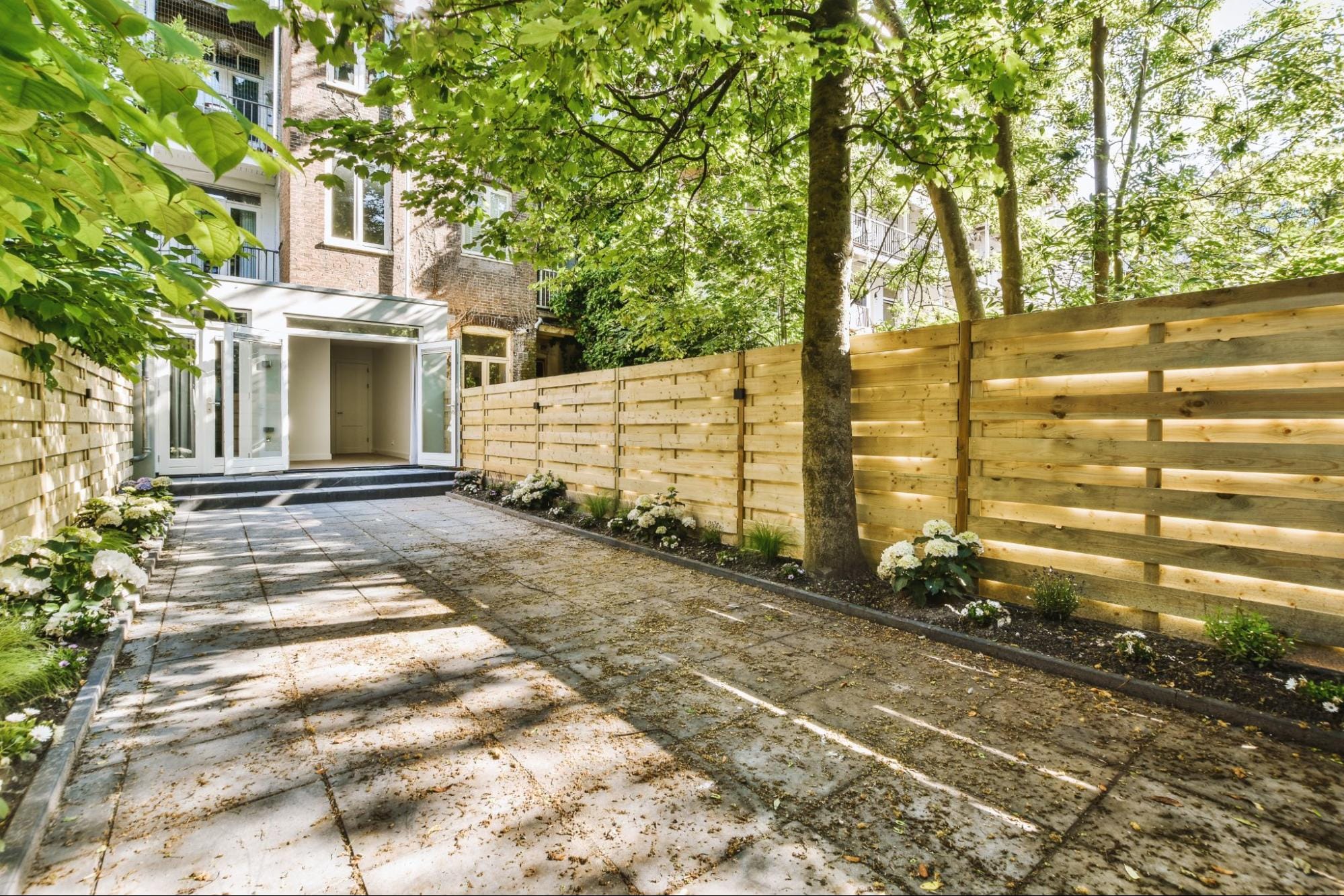 A mature tree and a new fence do not have to compete for the same space. Thoughtful post locations, adequate trunk clearance, controlled construction access, and careful attention to roots can allow the fence to work around valuable landscaping instead of creating a conflict that becomes more expensive with time.
Hicks Fencing can evaluate how existing trees interact with your proposed fence line and discuss layout options that fit the rest of your property. Contact us today to request a free estimate and start planning a fence that accounts for the trees, terrain, entrances, and other features already in your yard.
Frequently Asked Questions
Who should evaluate a questionable tree before fence construction?
An ISA Certified Arborist can evaluate the tree’s condition and provide recommendations when roots, decay, disease, or structural stability are concerns.
Can a fence be changed later if a nearby tree grows into it?
Often, individual sections can be modified, although the available options depend on the material, post locations, and amount of clearance required. Planning adequate space initially can reduce the likelihood of needing those alterations.
Should a dead tree be removed before a new fence is installed nearby?
Evaluating removal before fence construction is generally sensible because later tree work may require access for equipment and falling limbs or trunk sections. Determining the tree’s future first can also prevent designing the new fence around something that will soon disappear.
Keep Exploring Before Planning Your Next Fence
Explore the Hicks Fencing blog for more practical guidance on planning, installing, repairing, and maintaining fences throughout Georgetown and the surrounding Central Texas area.