
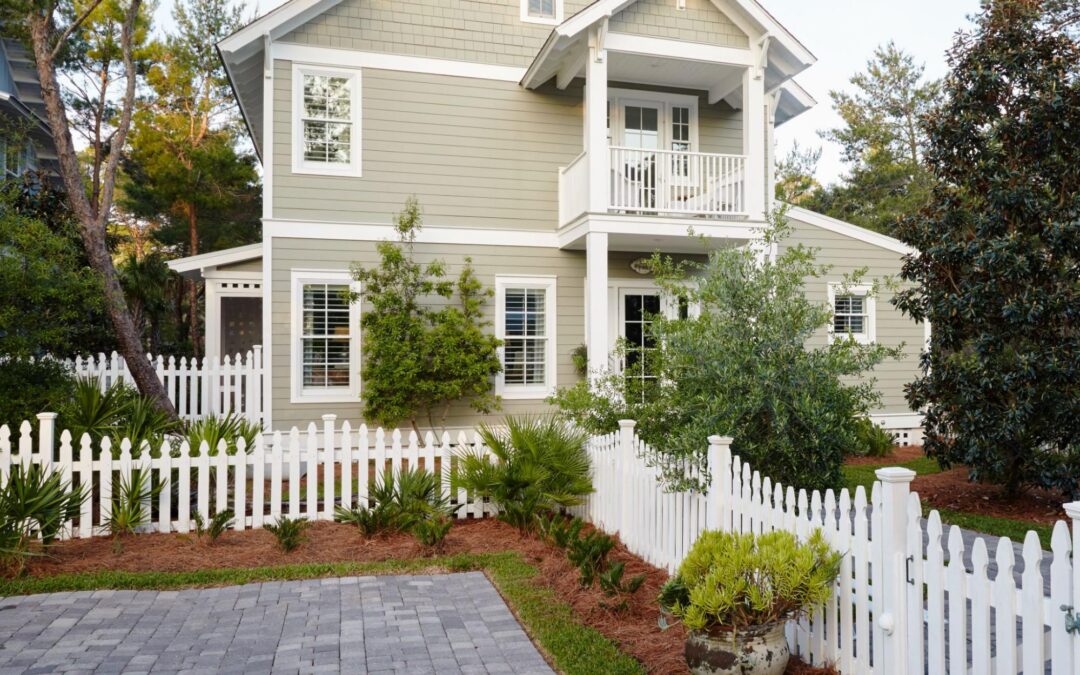
A backyard does not become an empty construction site just because a new fence is going in. Shrubs may already follow the property line, irrigation tubing can run beneath planting beds, tree roots can cross proposed post locations, and crews may need to move materials across turf to reach the work area. Planning fence installation in Georgetown therefore means considering what is already growing or buried around the fence line.
Hicks Fencing can evaluate how the proposed route interacts with existing landscaping before installation begins. Some plants can remain exactly where they are, others may need pruning or temporary protection, and a few may occupy the same space needed for posts or working clearance. Identifying those conflicts beforehand gives property owners a clearer idea of what can be preserved and what may need to change.
Fence Installation Around Landscaping Requires Working Space
A finished fence occupies a relatively narrow strip of ground, but installing it requires more room than the posts and panels ultimately take up. Crews need physical access to excavate post holes, remove soil and rock, position posts, install rails or panels, operate tools, and carry materials along the fence line.
Dense vegetation can restrict that access even when no plant grows directly where a post belongs. Shrubs extending into the work area, thorny plants covering an old fence, or narrow passages between landscaping and structures can make it difficult to work without disturbing branches or surrounding growth.
Before fence installation around landscaping begins, it helps to distinguish between plants that merely extend into the work zone and plants physically rooted in it. A shrub may only need selective pruning, while another growing directly over a necessary post location can create a bigger conflict.
Walk the Fence Line Before the Crew Starts Digging
A preconstruction walk allows owners to point out landscaping features that might not be obvious from the proposed fence route. Identify irrigation, newly planted shrubs, delicate garden areas, landscape lighting, and plants with particular value before equipment and materials enter the yard.
Several features deserve attention during that walkthrough:
- Shrubs or vines growing through an existing fence
- Plants located directly beside proposed post positions
- Young trees that could be damaged by repeated foot traffic
- Raised garden beds close to the work area
- Irrigation heads and visible valve boxes
This does not mean every blade of grass can remain untouched during construction. It establishes which landscape features require special attention and which areas can realistically serve as access routes.
Plants Growing Against an Old Fence May Need to Be Separated First
Mature landscaping sometimes incorporates the existing fence so completely that the two effectively become one structure. Vines weave through pickets, shrubs grow around rails, and branches extend from one side of the property to the other.
Removing the old fence without addressing that growth can damage plants because boards and wire may no longer come away cleanly. Cutting a panel free may require first separating vines and branches that physically connect the vegetation to the structure.
For fence installation around plants, deciding what to save before demolition is much easier than trying to protect vegetation after removal has started. Owners who want particular vines or shrubs preserved should identify them so the old fence can be approached with those priorities in mind.
Trees Need More Attention Than Their Trunks Suggest
A tree can stand several feet away from a proposed fence while its roots extend directly through the construction area. The absence of a trunk at a post location therefore does not mean excavation will encounter empty soil.
Tree Roots Can Extend Into Post Locations
Tree roots spread outward through the surrounding soil, including areas well beyond the immediate base of the trunk. Excavating a post hole can expose roots that were invisible during the initial visual inspection.
Small roots and major structural roots do not present the same concern. When a proposed post conflicts with a substantial root, automatically cutting through it can unnecessarily injure the tree and may affect its stability or health.
Moving a Post Can Sometimes Avoid a Major Root
Fence layouts often repeat post locations, but field conditions can sometimes justify adjusting an individual position while maintaining the intended fence run. A small shift may let a post hole avoid a substantial root without meaningfully changing the completed fence’s appearance.
Not every conflict allows that flexibility. Gates, corners, short fence sections, and structural requirements can restrict where a post belongs, which is why it’s better to identify significant tree conflicts during planning than after the layout is already committed.
Fence Installation in Georgetown Can Affect Irrigation Systems
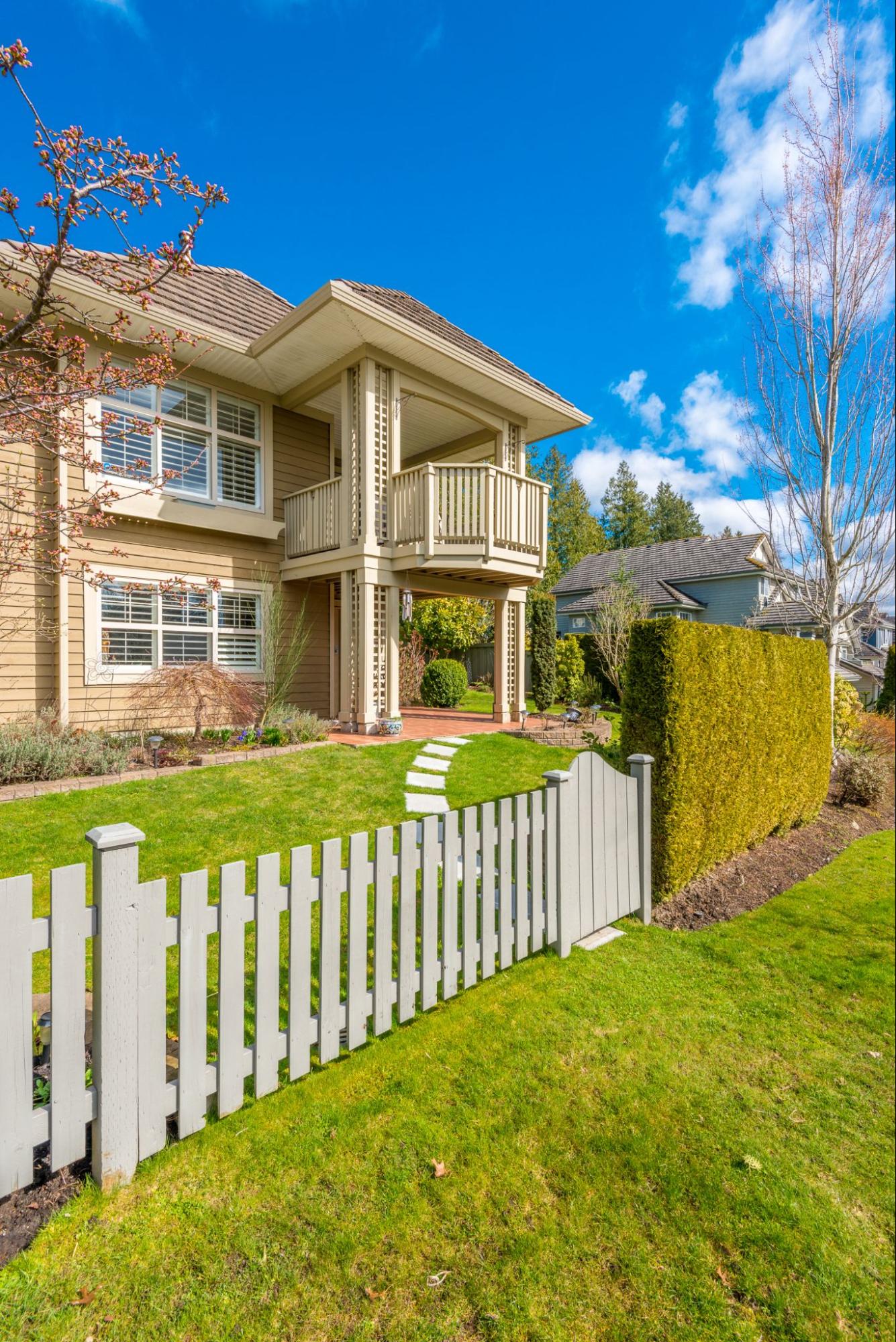
Sprinkler systems are easy to overlook because most components remain underground. A fence line can cross lateral pipes, control wiring, drip irrigation, or other private components that may not be visible from the surface.
Before excavation, useful irrigation information can include:
- Locations of visible sprinkler heads near the fence
- Known routes of irrigation pipes
- Drip lines running along planting beds
- Valve boxes near proposed posts
- Control wiring crossing the work area
Running the irrigation system before work begins can also make sprinkler head locations easier to identify. If an owner knows a particular pipe crosses the proposed route, communicating that information early can help prevent an invisible landscaping feature from becoming an unexpected repair.
A Fence Post and a Sprinkler Head Cannot Share the Same Space
Visible sprinkler heads sometimes sit close to property edges because that location helps distribute water across a lawn. Unfortunately, property edges are also common fence locations.
When a proposed post conflicts directly with irrigation equipment, one system may need adjustment. Placing a post somewhere convenient without considering the rest of the fence can affect spacing, while burying or obstructing irrigation equipment can interfere with watering and future maintenance.
The issue is easier to solve before you pour concrete. Residential fencing in Georgetown, TX should account for obvious irrigation conflicts during layout so the finished fence and watering system can continue serving their separate purposes.
Turf Usually Faces a Different Kind of Impact Than Garden Beds
Grass may not need to be removed along the entire fence line, but installation activity can temporarily affect it. Foot traffic, material staging, wheelbarrows, excavated soil, and repeated trips between the work area and access point can flatten or stress turf.
The amount of disturbance depends partly on access. A fence line immediately reachable from a driveway is different from a backyard that requires every post, bag of material, tool, and fence component to travel through a side yard.
Wet conditions can increase the effect because saturated soil is more vulnerable to rutting and compaction. Planning where materials enter and where they are staged can therefore matter almost as much as the narrow strip where the actual fence is built.
Material Staging Can Protect More Sensitive Parts of the Yard
Fence materials need somewhere to go before they become part of the fence. Choosing that location deliberately can reduce unnecessary traffic through planting beds or other vulnerable areas.
A practical staging plan considers:
- A reasonably direct route to the fence line
- Space for lumber, panels, posts, or other materials
- Clearance from irrigation heads and landscape lighting
- Avoiding delicate planting areas where possible
- Keeping access gates and necessary walkways usable
- Avoiding unnecessary material storage against shrubs
A staging area does not eliminate all disruption, but it concentrates activity in a more manageable part of the property. That can be particularly useful when backyard fencing in Georgetown, TX is being installed around a mature landscape rather than an unfinished yard.
Garden Beds Can Create Tight Fence Installation Conditions
Flower beds and landscaped borders often follow a yard’s perimeter, placing them directly where fence work needs to happen. The challenge becomes greater when stone edging, raised beds, mulch, and mature plants leave little open soil around the proposed posts.
Some plants can be temporarily tied back or pruned to provide working clearance. You can usually relocate small movable containers and decorative items before work begins, reducing obstacles around the construction area.
Permanent raised beds or masonry borders require a different conversation because you can’t simply carry them out of the way. Consider their location during layout so everyone understands whether the fence can work around them or whether another part of the landscape must change.
Fence Installation Around Plants Should Account for Mature Size
New landscaping can look comfortably separated from a fence even though the plants have not reached their mature dimensions. Shrubs planted close to the new structure may eventually grow through pickets, press against boards, or make the back side of the plant difficult to maintain.
Leave Room for Future Plant Maintenance
A plant needs enough practical space for pruning, inspection, and ordinary care. Positioning a shrub where nobody can reach the side facing the fence can make future maintenance more difficult as it grows.
Spacing decisions should therefore consider mature spread rather than the plant’s dimensions on installation day. This is especially important when you’re planning new landscaping at the same time as the fence.
Keep Moisture and Organic Material in Mind
Mulch and soil serve useful purposes in planting beds, but piling them directly against wooden fence components can keep those areas exposed to moisture. Irrigation overspray can create similar repeated wetting along the bottom of a wood fence.
Landscaping around a new fence should let plants get the water and soil conditions they need without unnecessarily burying or continuously wetting fence components. That small planning decision can make both systems easier to maintain.
Landscaping Should Not Be Used to Hide Installation Problems
Plants can soften a fence visually, but they should not replace addressing poor alignment, damaged boards, or incomplete work. A shrub planted in front of a problem only makes the underlying fence harder to inspect later.
The same principle applies to access. Filling the fence perimeter with dense vegetation can make it difficult to inspect posts, repair damaged boards, stain accessible wood surfaces, or reach a gate when maintenance is needed.
A better landscape plan complements the fence while leaving reasonable access to components that may eventually need attention. Attractive screening and maintainability can coexist when you consider both before plants fill the available space.
Some Landscaping Disturbance May Need Repair After Installation
Post-excavation brings soil and sometimes rock to the surface. Removing an old fence can expose bare strips that have received little sunlight for years, while changing the fence line can reveal areas where grass never became established.
Those conditions do not necessarily indicate installation damage. Some are simply the result of uncovering ground that was previously occupied by posts, concrete, vegetation, or the old fence itself.
After construction, you can evaluate the yard for displaced mulch, disturbed soil, compacted turf, or plants that were temporarily moved. Waiting until the fence work is complete also prevents crews from disturbing new landscaping repairs by carrying materials through the same area.
Prepare Your Yard for Fence Installation in Georgetown
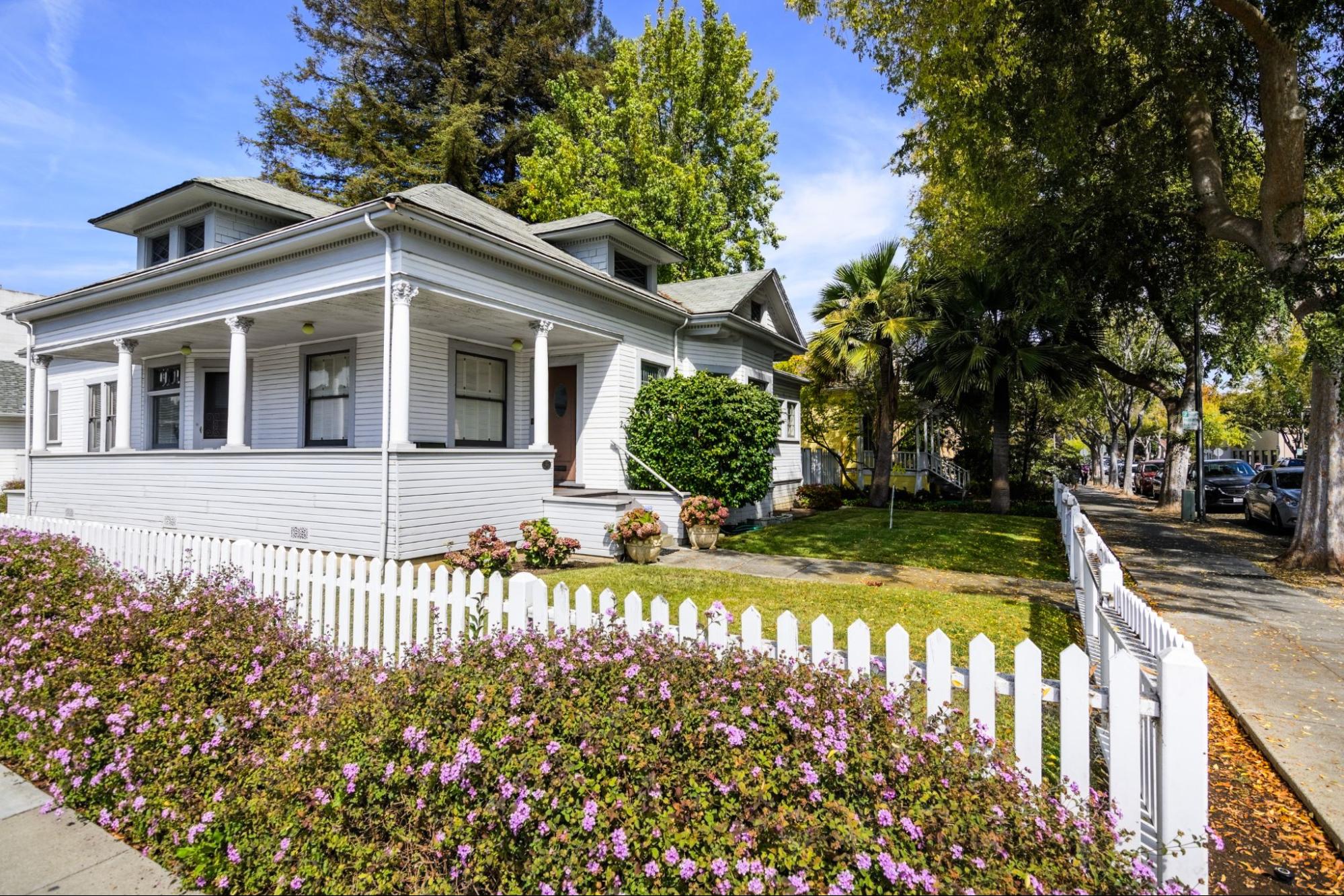
Established landscaping doesn’t have to disappear just because you’re installing a new fence. Identifying important plants, irrigation components, tree roots, garden beds, and access limitations before work starts can help determine whether protection, pruning, relocation, or a small layout adjustment is appropriate.
Hicks Fencing can evaluate these site conditions while planning fence installation in Georgetown and explain what the work area will require before construction begins. Contact our fence contractors to request a free estimate and discuss how to install a new fence around the landscaping you’ve already done yourself.
Frequently Asked Questions
Should I mow my lawn before fence installation?
Mowing can make the ground and proposed work area easier to see, particularly where tall grass would otherwise conceal sprinkler heads, edging, or small obstacles. Avoid major last-minute landscape changes, however, if you’ve already placed markings or stakes for the project.
Should outdoor furniture and decorations be moved before fence work begins?
Generally, move items close to the fence line or along the planned access route to a safe location before work starts. Open access reduces the chance of accidental damage and gives crews more room to move materials.
Can I plant new shrubs immediately after my fence is installed?
You can plant new landscaping after construction, but consider each plant’s mature size, irrigation needs, and future access to the fence before deciding where it belongs. Leaving practical clearance can make both plant care and future fence maintenance easier.
Next, Learn What Happens When Fence Rails Fail
Continue with Why Fence Repair in Georgetown May Start With Replacing Damaged Rails Instead of Fence Panels to learn how horizontal rails support the fence, how rail failure differs from picket damage, and when usable portions of a wood fence may be worth preserving.