
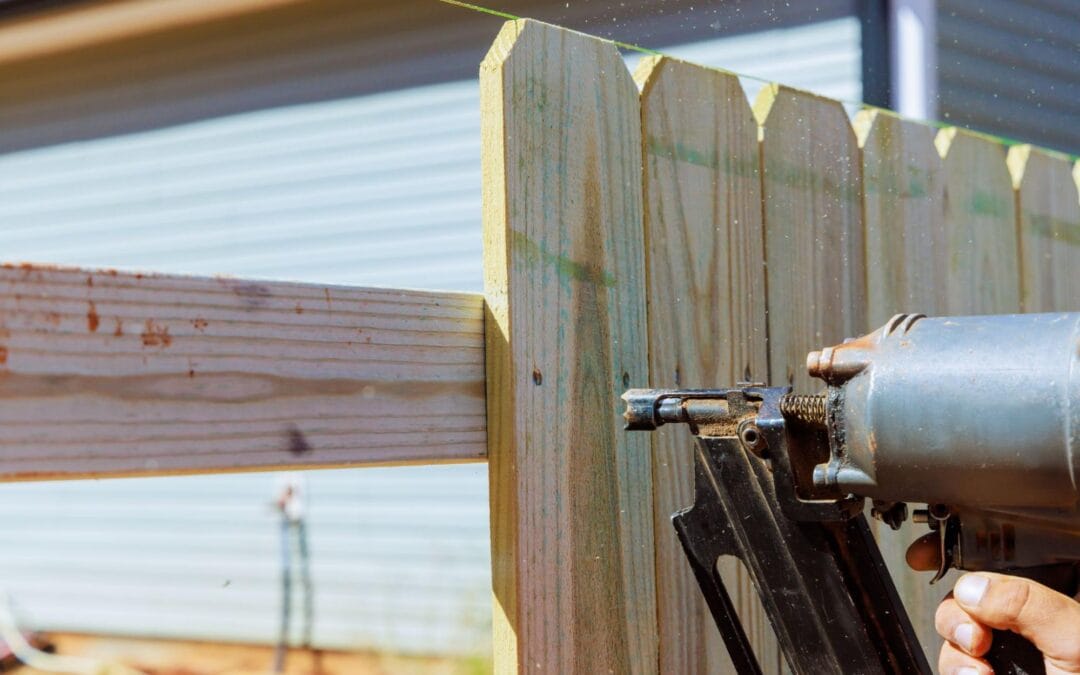
Finding one soft or badly deteriorated fence post does not automatically mean hundreds of feet of fencing have reached the end of their useful life. Fence repair in Georgetown can sometimes focus on the failed post while preserving rails, pickets, and neighboring sections that remain structurally sound. The key is determining whether the decay is isolated or part of a larger problem.
Hicks Fencing approaches that question by looking beyond the most obvious damaged wood. Post condition, ground contact, attached rails, surrounding sections, concrete footings, and the forces placed on the post all help determine how much of the fence actually needs attention. A targeted repair makes sense when the surrounding structure still has useful service life left.
Why Fence Posts Often Rot Near the Ground
Wood decay requires favorable conditions, including moisture and organisms that can break down the wood. Fence posts are especially exposed near the soil line because that area repeatedly encounters moisture while also supporting the above-ground fence.
The transition between exposed wood and buried wood deserves particular attention during wood fence repair in Georgetown, TX. Soil, mulch, vegetation, irrigation, and water collecting around a post can keep the area damp longer than wood that remains fully above ground.
Several conditions are worth checking when deterioration appears around the bottom of a post:
- Soil or mulch has accumulated against the wood.
- Irrigation repeatedly wets the same portion of the fence.
- Nearby grading directs runoff toward the post.
- Vegetation limits airflow around the base.
- Wood components other than the post are touching the soil.
- Cracks or damaged surfaces allow moisture to enter vulnerable areas.
Finding one of these conditions does not prove it caused the decay. It does, however, provide useful context for understanding why one post may deteriorate faster than another several feet away.
A Rotted Post Does Not Automatically Mean the Fence Is Finished
Fence components do not necessarily deteriorate at the same rate. A post spends part of its life in or immediately beside the ground, while pickets and much of the rail system remain above it and experience different moisture exposure.
That difference creates situations where a post loses enough strength to require replacement while the attached cedar boards and rails remain usable. In those cases, fence repair in Georgetown may restore support without discarding an entire section simply because its foundation point failed.
The opposite can also occur. If multiple posts are soft, rails have extensive decay, fasteners no longer hold securely, and large areas of the fence have deteriorated together, replacing one post would solve only one part of the problem. The repair decision should therefore begin with the condition of the complete section rather than the appearance of one damaged component.
Rotted Fence Post Repair Starts With Confirming the Damage
Visible discoloration alone is not enough to determine whether a post has lost structural strength. Outdoor wood naturally changes appearance, and surface weathering shouldn’t automatically be mistaken for decay extending through the post.
Check the Wood at the Ground Line
The area near grade is a logical inspection point because moisture exposure can be concentrated there. A deteriorated post may feel unusually soft, crumble under pressure, or allow a probe to penetrate wood that should resist it.
Movement also provides useful information. If the upper portion of the post shifts while the base remains buried, deterioration may have reduced the amount of sound wood connecting the fence to its footing.
Look Beyond the Visible Side of the Post
A post can appear acceptable on one face while decay progresses elsewhere. Attached rails, pickets, soil, and concrete can hide portions of the wood, so judging the entire post from its most visible surface can underestimate the damage.
The connection points also deserve attention. If rails have deteriorated where they meet the post, a new post alone may not provide a sound attachment without additional work to those surrounding components.
The Surrounding Fence Determines Whether a Targeted Repair Makes Sense
The purpose of replacing a rotted post is to preserve fencing that is still worth supporting. Before deciding on a limited repair, the nearby sections need to justify that approach.
A useful assessment looks at several separate components:
- Rails: They should still have enough sound material to reconnect securely.
- Pickets: Widespread rot or severe splitting may indicate that deterioration extends beyond the post.
- Neighboring posts: Multiple weak posts can point toward a broader age or moisture problem.
- Fasteners: Corroded or failed connections may require additional work during reassembly.
- Fence alignment: Existing leaning or distortion can reveal problems beyond the rotted post.
- Gates: A failed post beside a gate deserves extra scrutiny because it may carry greater loads than an ordinary line post.
This evaluation keeps rotted fence post repair focused on the fence’s actual condition. Saving material helps only if it can still do its job.
Removing a Failed Post Is More Than Pulling Out the Wood
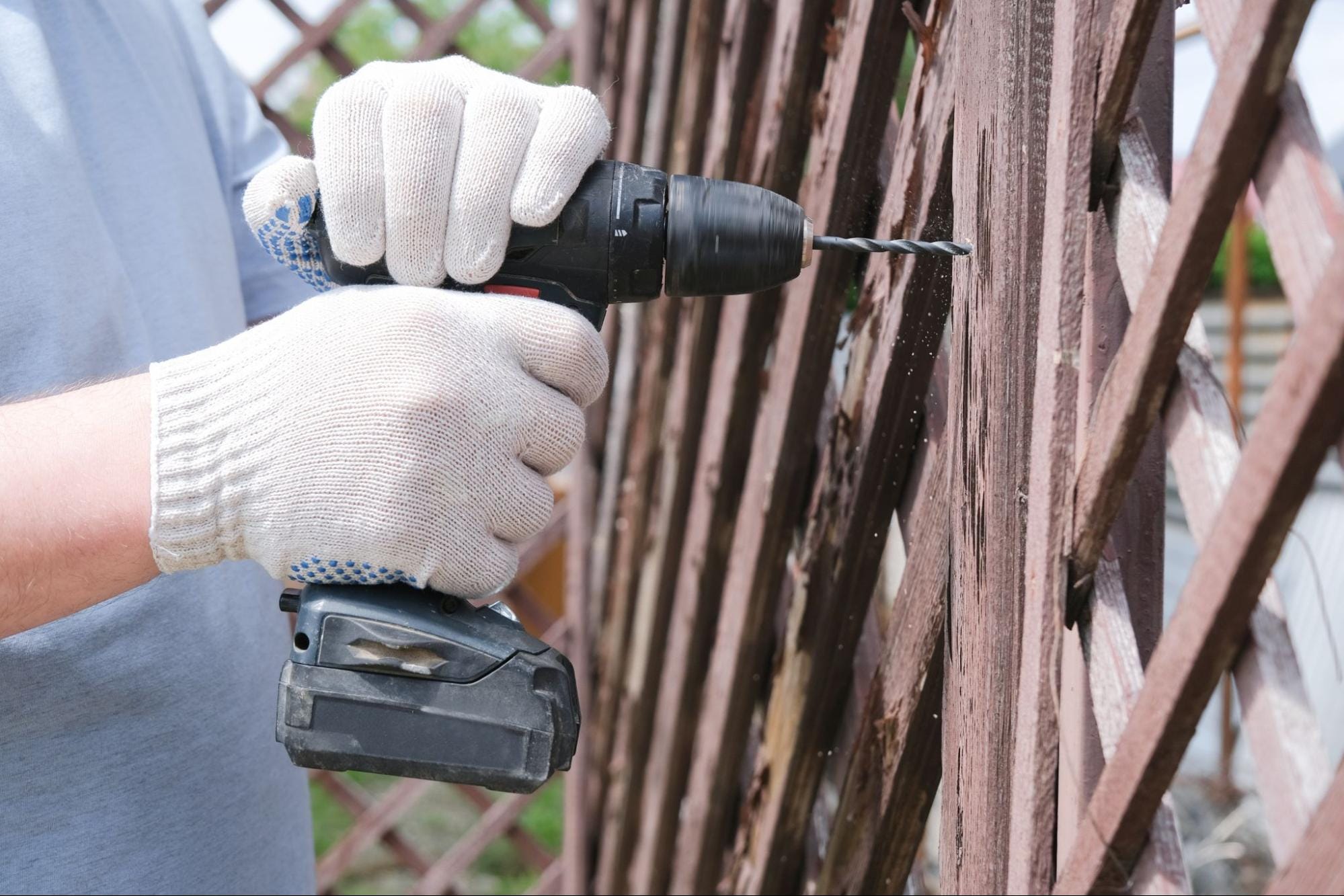 Once you select a post for replacement, you must handle the surrounding fence carefully enough to preserve reusable components. Rails or panels attached to the failed post may need to be disconnected or temporarily supported so their weight doesn’t cause additional damage.
The buried portion presents a separate challenge. A rotted post may break near ground level while leaving wood and an existing concrete footing underground, so removing what is visible above grade does not necessarily clear the location for a replacement.
That distinction matters when planning fence post repair. The new post needs a suitable installation location and footing, not just whatever space remains after the decayed portion snaps off.
Replacement Posts Need Material Intended for Ground Contact
A fence post experiences different exposure from a cedar picket several feet above the soil. Wood used in direct ground contact faces a greater deterioration hazard, which is why treated lumber standards distinguish between above-ground and ground contact applications.
For treated wood, UC4A is the general-use category for ground-contact applications. By comparison, UC3 categories apply to exterior wood used above ground, so seeing that lumber has been treated does not by itself mean it is intended to serve as a buried structural fence post.
End tags on treated lumber provide useful information about the intended exposure category. When selecting a replacement wood post, checking that designation helps distinguish material intended for ground contact from products treated for less demanding exposure.
Why One Rotted Post May Point to a Local Moisture Problem
When one post deteriorates substantially faster than neighboring posts of similar age, the difference can provide a clue. A sprinkler head, low spot, downspout discharge, accumulated mulch, or another localized condition may expose that area to more moisture.
Addressing only the damaged wood can leave the replacement exposed to the same environment. During fence repair in Georgetown, a fence company should check the immediate surroundings to reveal simple conditions worth correcting after the structural repair is complete.
This doesn’t require redesigning the property’s drainage every time a post rots. It means noticing obvious recurring moisture sources rather than assuming the old post failed randomly and installing the replacement in the same problem area.
When Rotted Fence Post Repair Should Expand Beyond One Post
A targeted repair works best when failure is genuinely localized. Once deterioration appears across multiple structural components, repeatedly replacing one piece at a time may no longer be the most sensible approach.
Warning signs that justify a broader evaluation include:
- Several posts showing softness or movement at the ground line.
- Rails breaking or crumbling at multiple connections.
- Large portions of pickets deteriorating near their bottoms.
- Sections remaining unstable after supporting an individual post.
- Repeated repairs occurring along the same aging fence line.
- Gate problems developing alongside deterioration in supporting posts.
These signs do not automatically require a complete rebuild. They indicate the inspection should expand beyond the first damaged post so the repair scope reflects the fence’s actual condition.
Restore the Support Without Replacing the Fence That Still Works
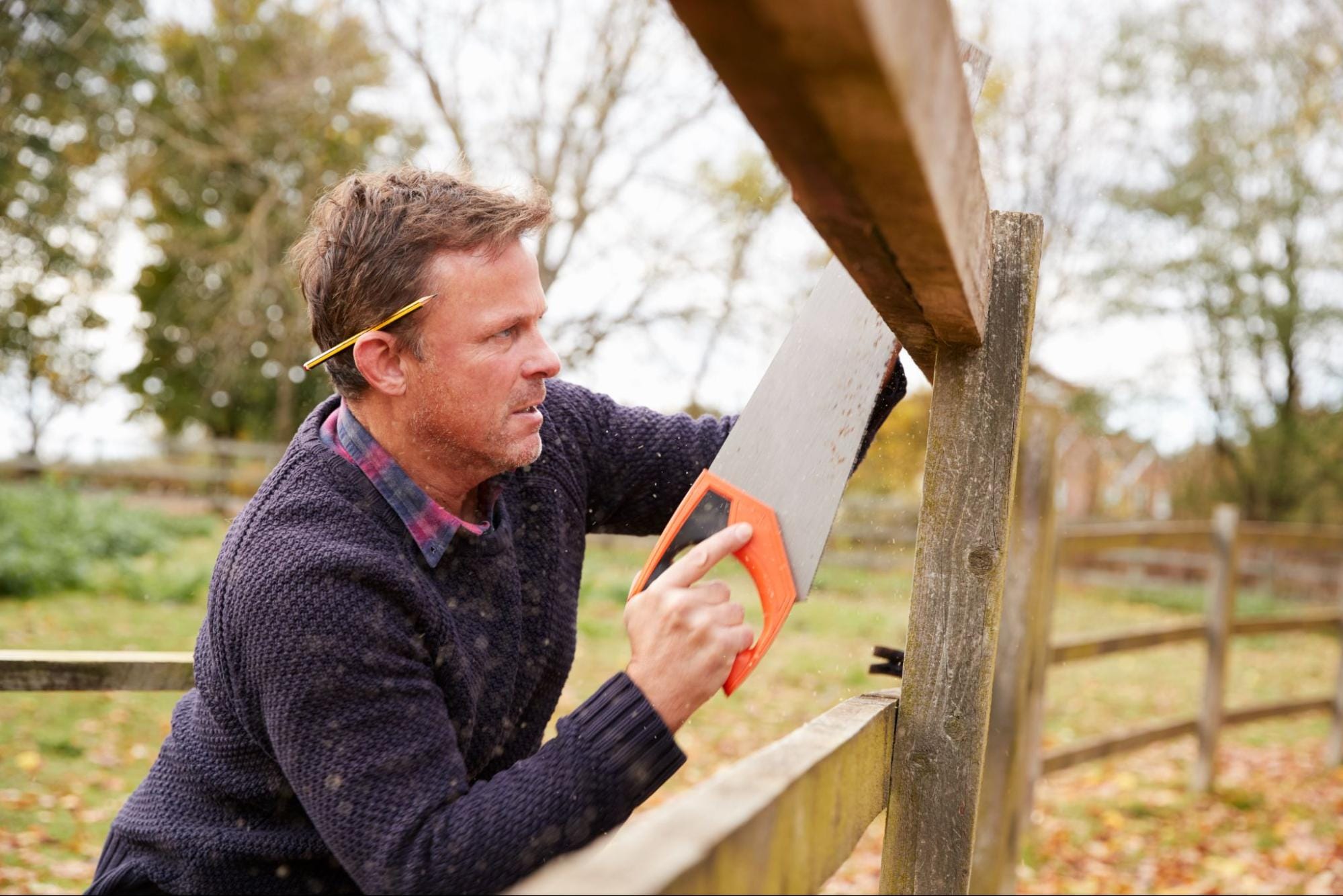 One rotted post doesn’t have to trigger an automatic full fence replacement. When the surrounding rails, pickets, posts, and connections remain serviceable, targeted fence repair in Georgetown by professional fence contractors can focus the work on the failed structural component while preserving material that still has useful life.
Hicks Fencing can inspect the damaged section, determine how far the deterioration extends, and discuss whether individual post replacement fits the condition of your fence. Call today to request a free estimate and find out what your fence actually needs before assuming the entire structure has to come down.
Frequently Asked Questions
Can a new fence post be a different material from the original post?
Sometimes, but the replacement still needs to work with the existing rails, fasteners, dimensions, and overall fence design. Changing post material should therefore be considered part of the repair rather than a simple one-for-one substitution.
Will a replacement fence post look noticeably newer?
It can, especially when new wood sits beside cedar that has weathered for years. Color differences often become less pronounced with weathering, but don’t assume an exact visual match.
Can plants hide early fence post deterioration?
Dense vegetation can make inspection harder and may keep the area around a post damp longer. Maintaining enough access to see the base of structural posts makes changes easier to notice before substantial movement develops.
Continue With the Next Fence Repair Guide
Rot is one possible explanation for a weak fence post, but a fence can begin leaning for several other reasons that require different repairs. Next, read Why Fence Repair in Georgetown Often Starts With Finding Out Why the Fence Is Leaning to learn how post movement, footing problems, soil conditions, wind, connections, and gate loads can help reveal what actually caused the fence to shift.